Science Leadership Program & Exhibition Tour, Solukhumbu, Nepal
(11- 20 November, 2025)
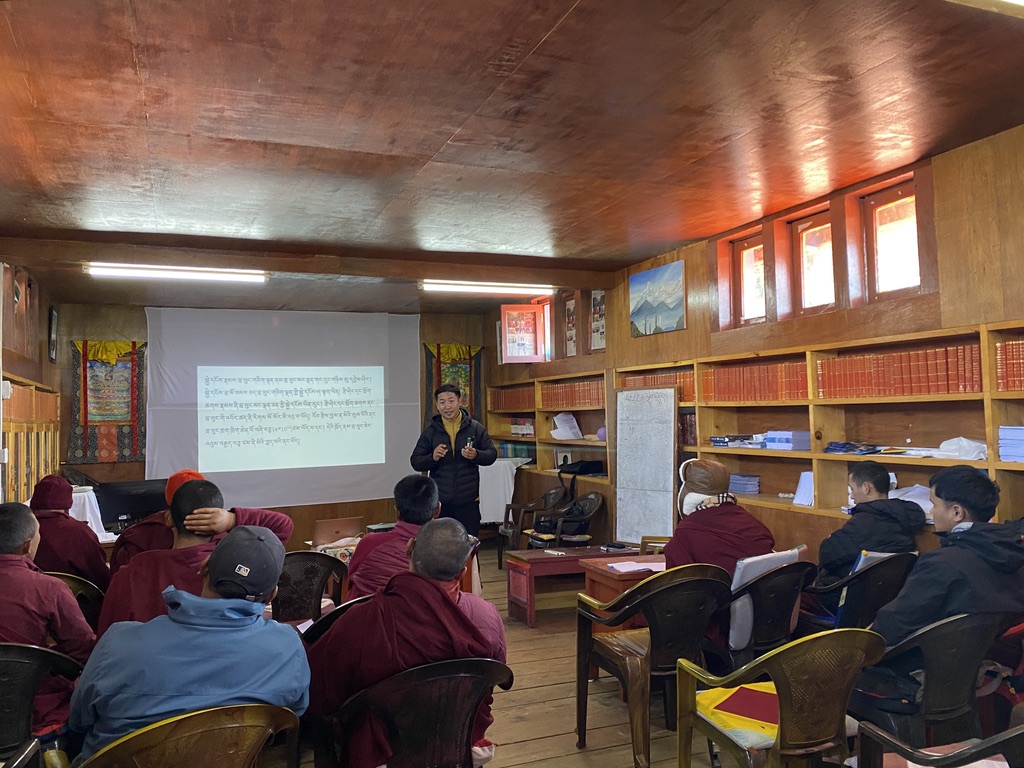
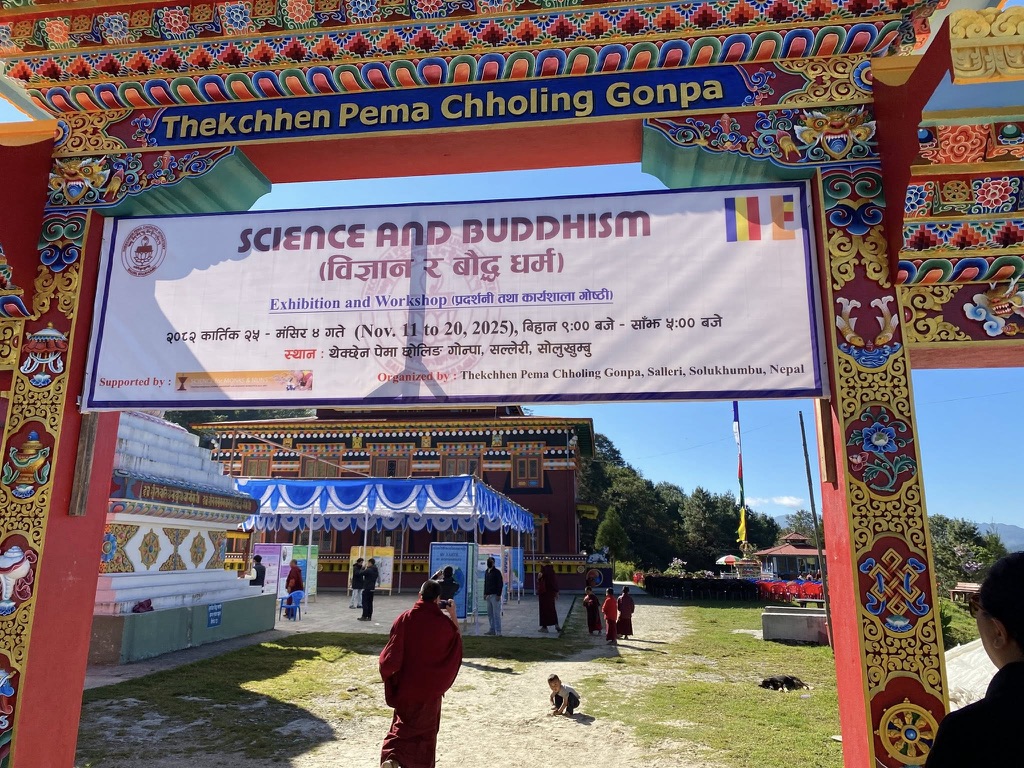
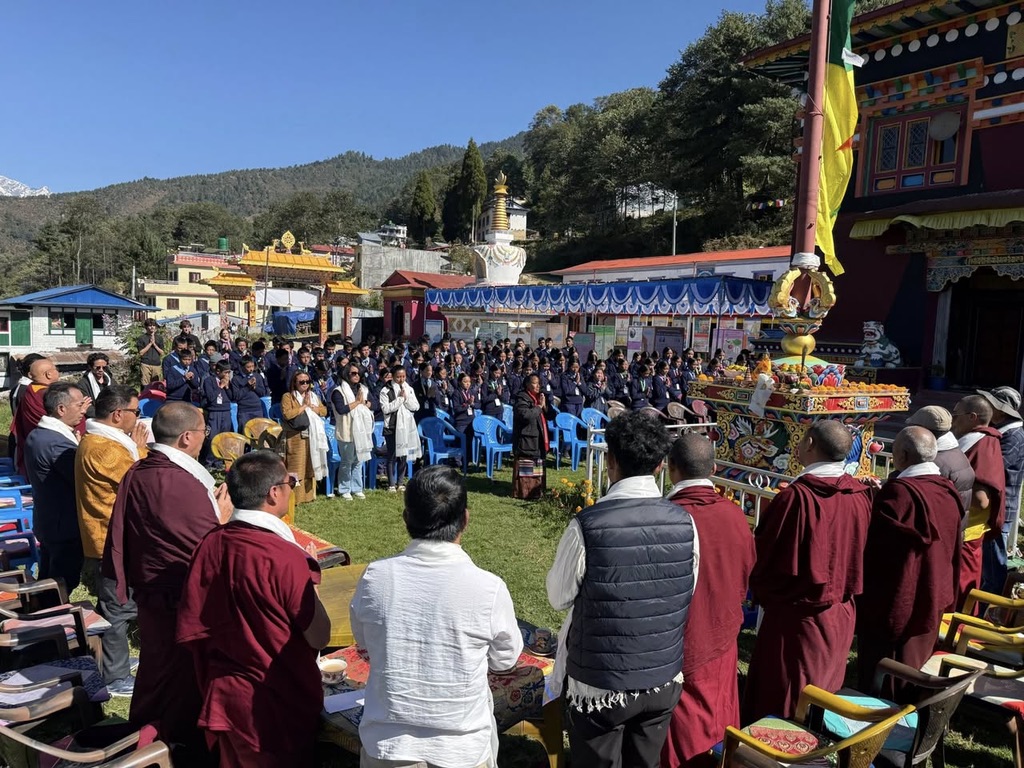
The Thekchhen Chholing Monastery, located in Salleri, Solukhumbu, Nepal, extended a warm invitation to our organisation to conduct a science exhibition and a science leadership program. The Science for Monks and Nuns collaborated with the science department of the Library of Tibetan Works and Archives to conduct this program at Thekchen Chöling Monastery, Salleri. The program began on November 11, 2025, and concluded on November 20, 2025, with a simple closing ceremony. The program was inaugurated on the auspicious day of Lhabab Duchen (The Festival of the Buddha’s Descent from Tushita Heaven).
For this program, all staff of the LTWA Science department and SFMN, along with five monk scholars from South India, travelled to Solukhumbu with a shared commitment to imparting knowledge of both Science and Buddhism.
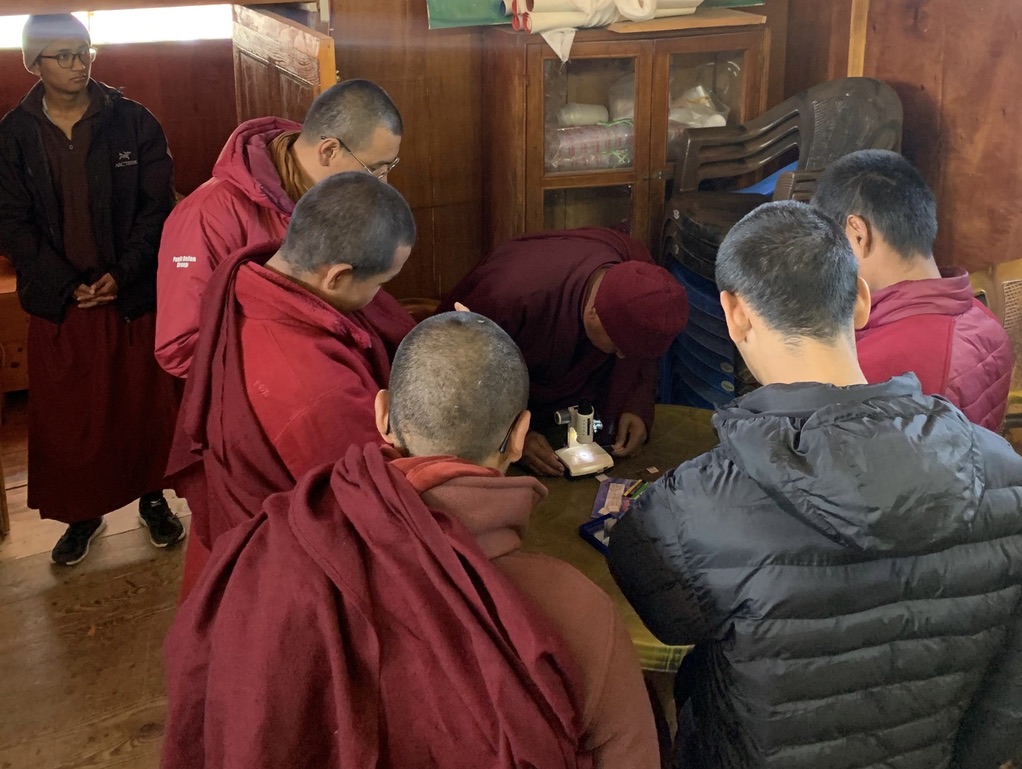
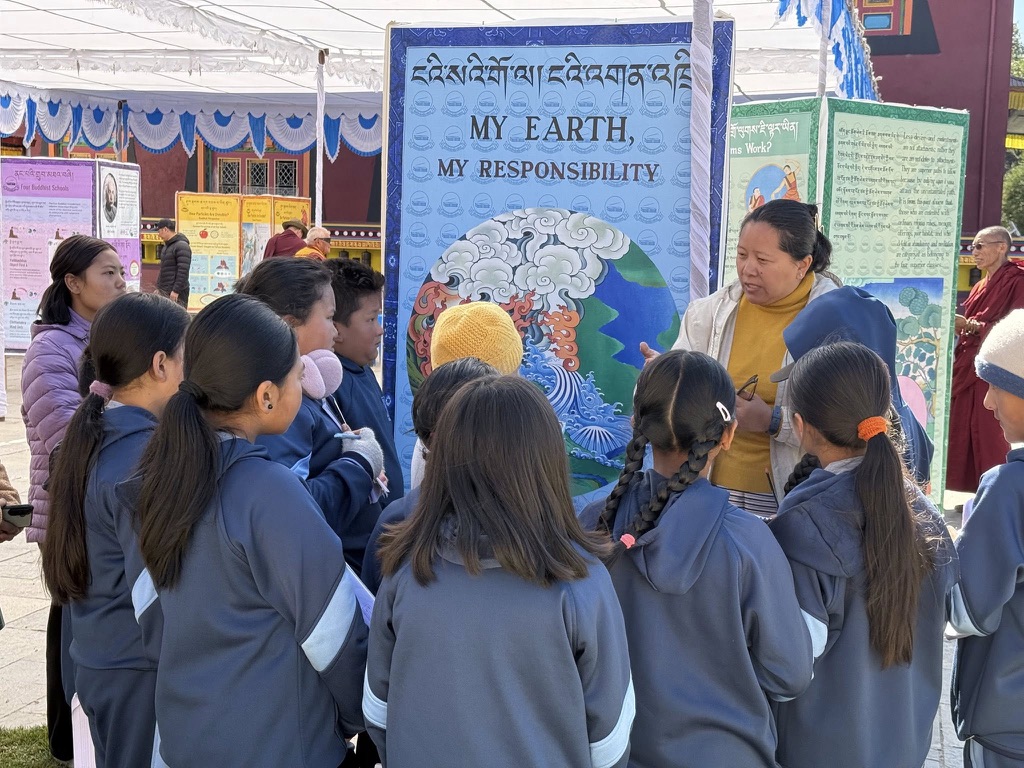
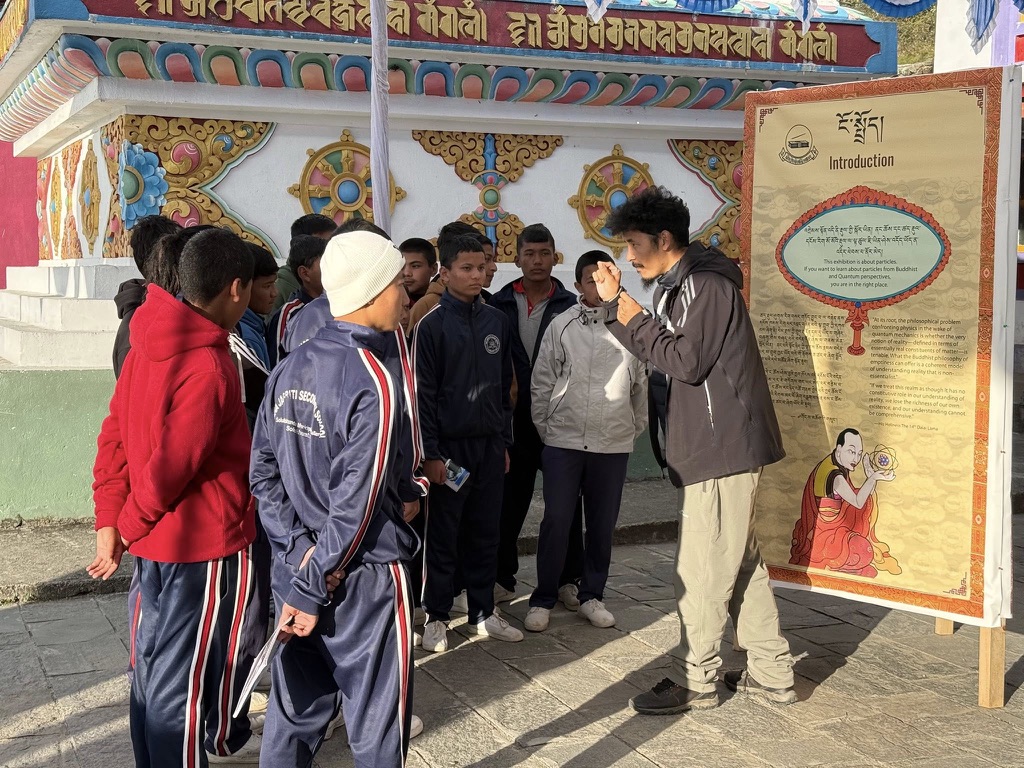
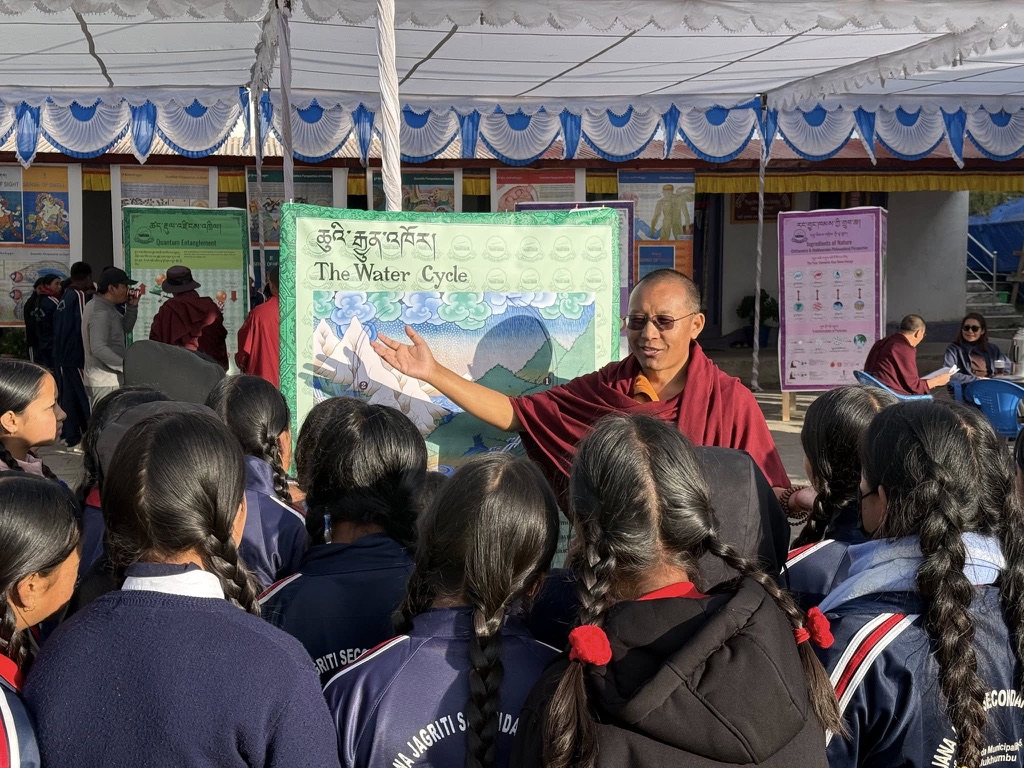
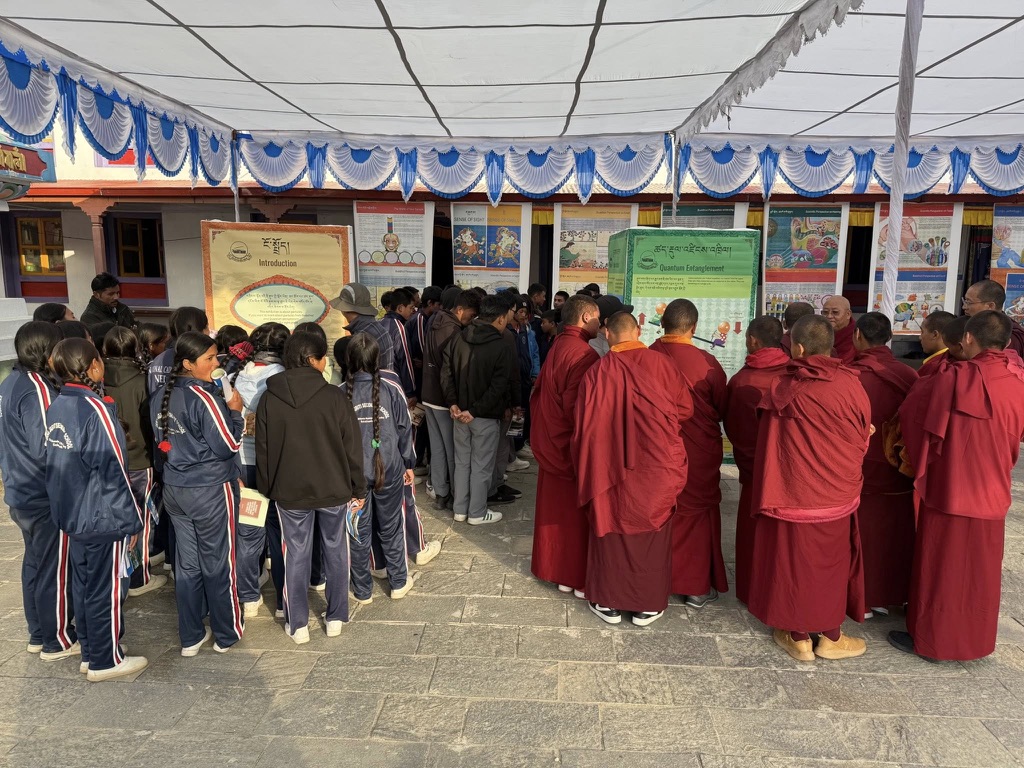
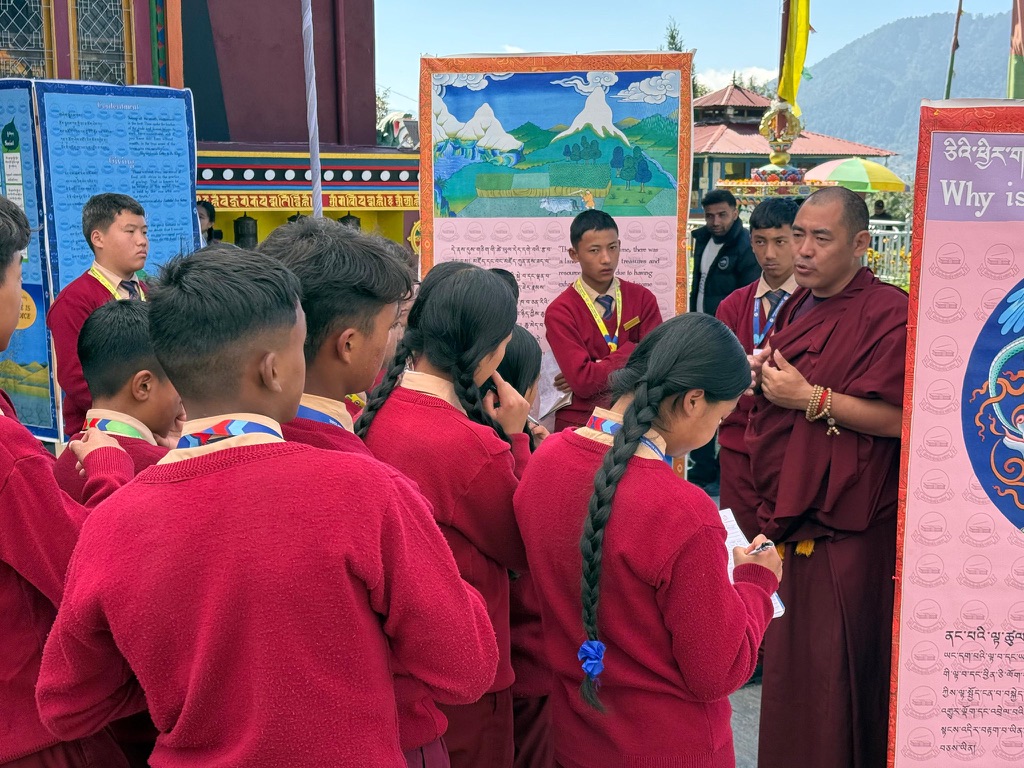
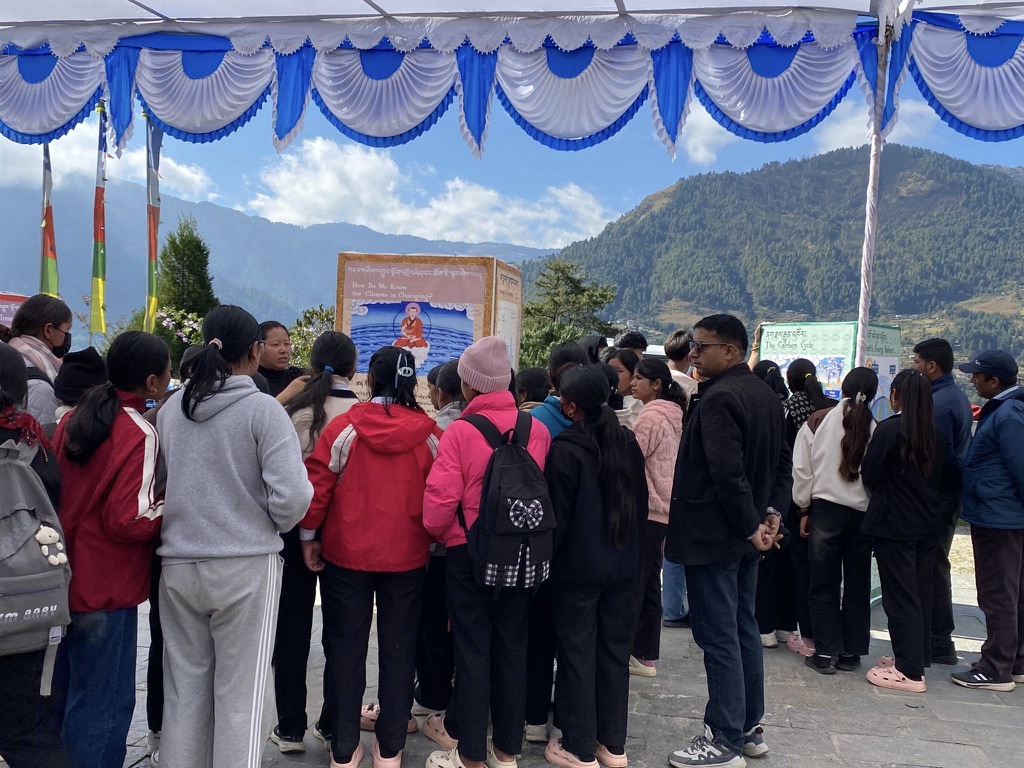
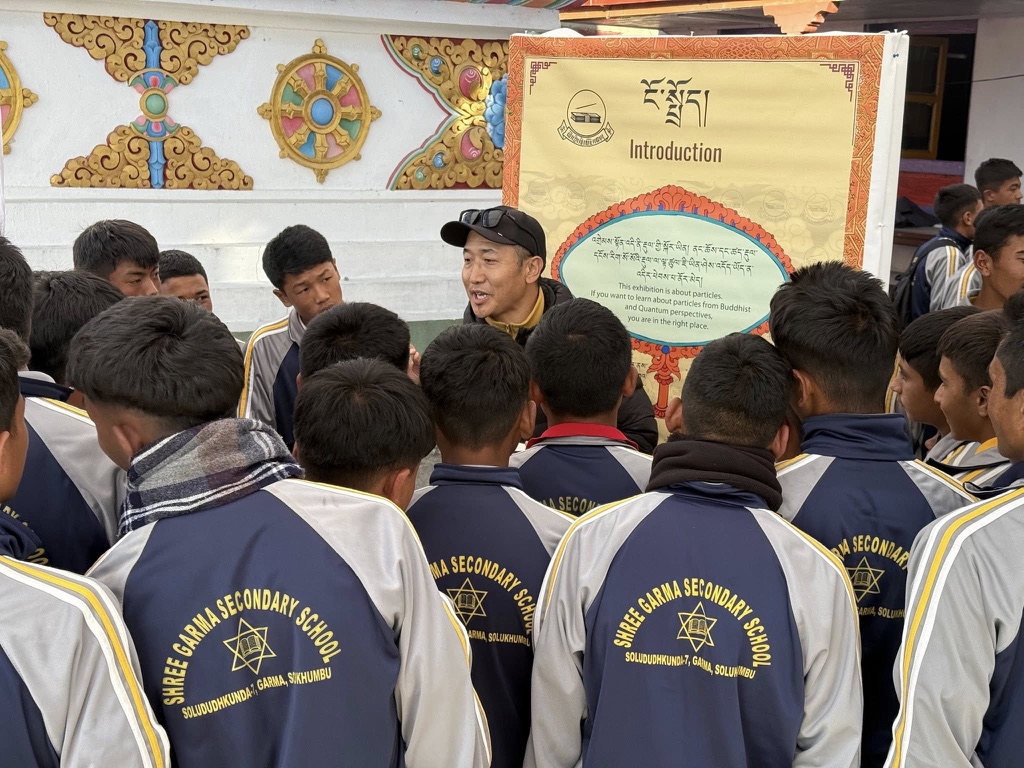
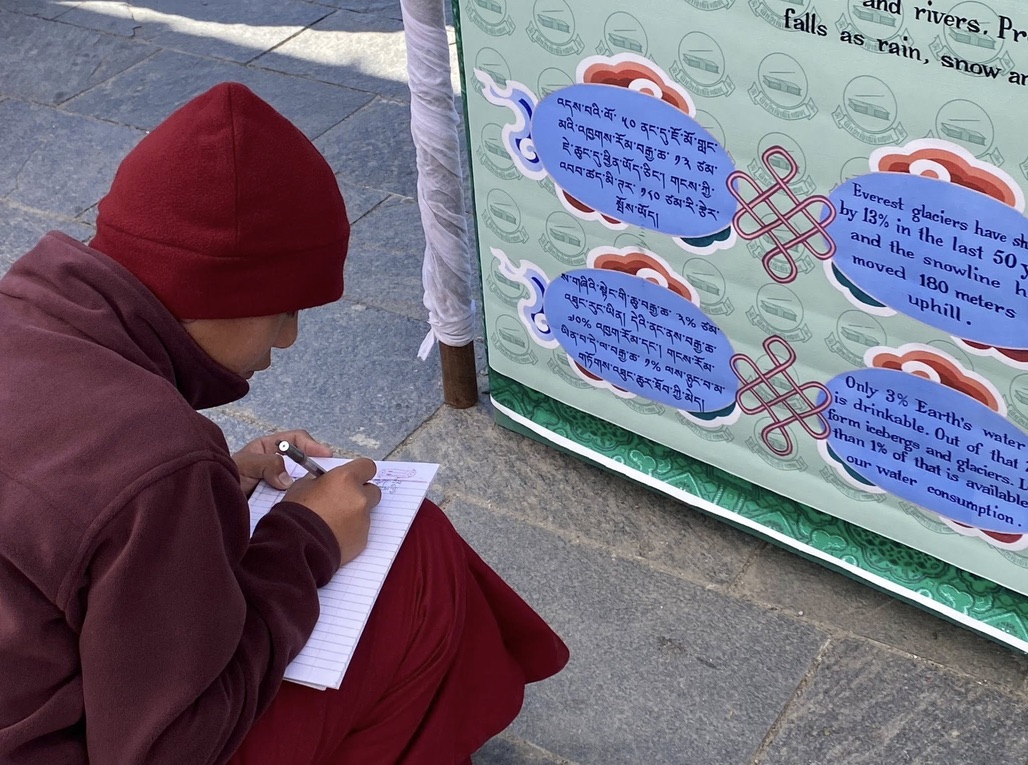
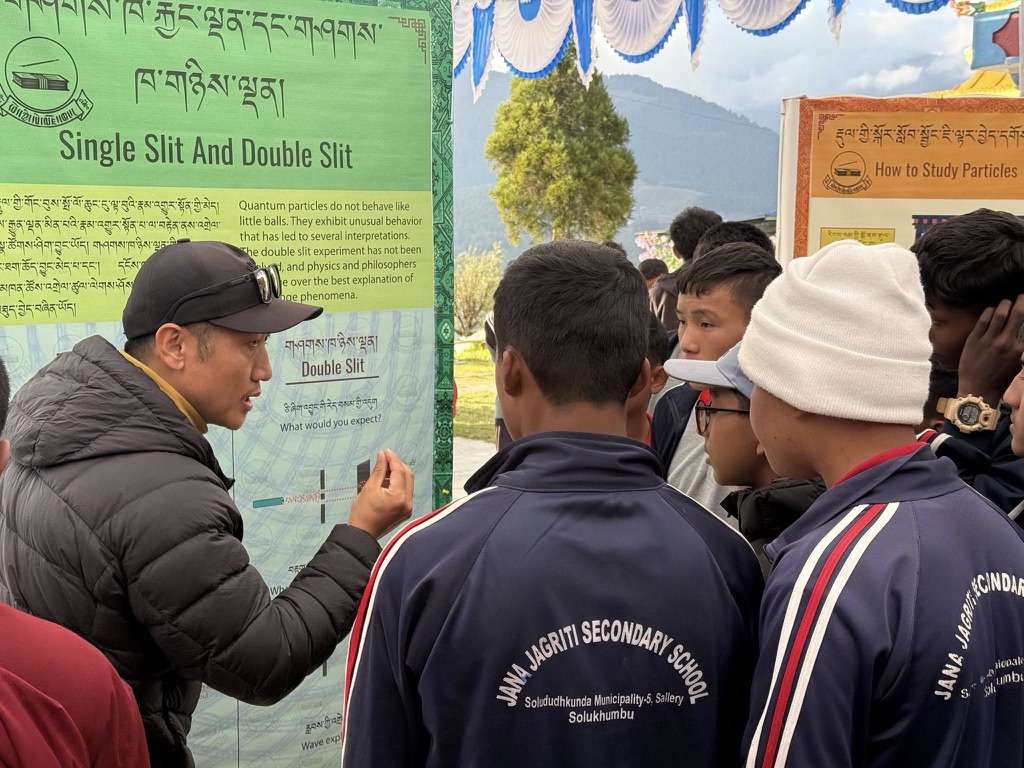
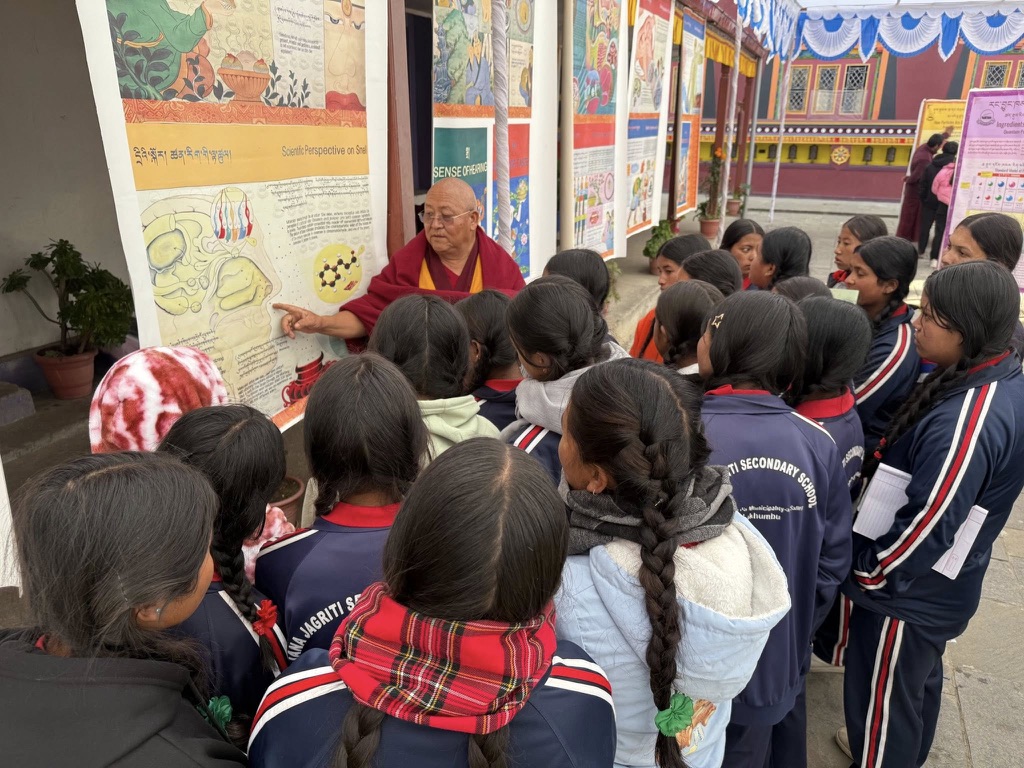
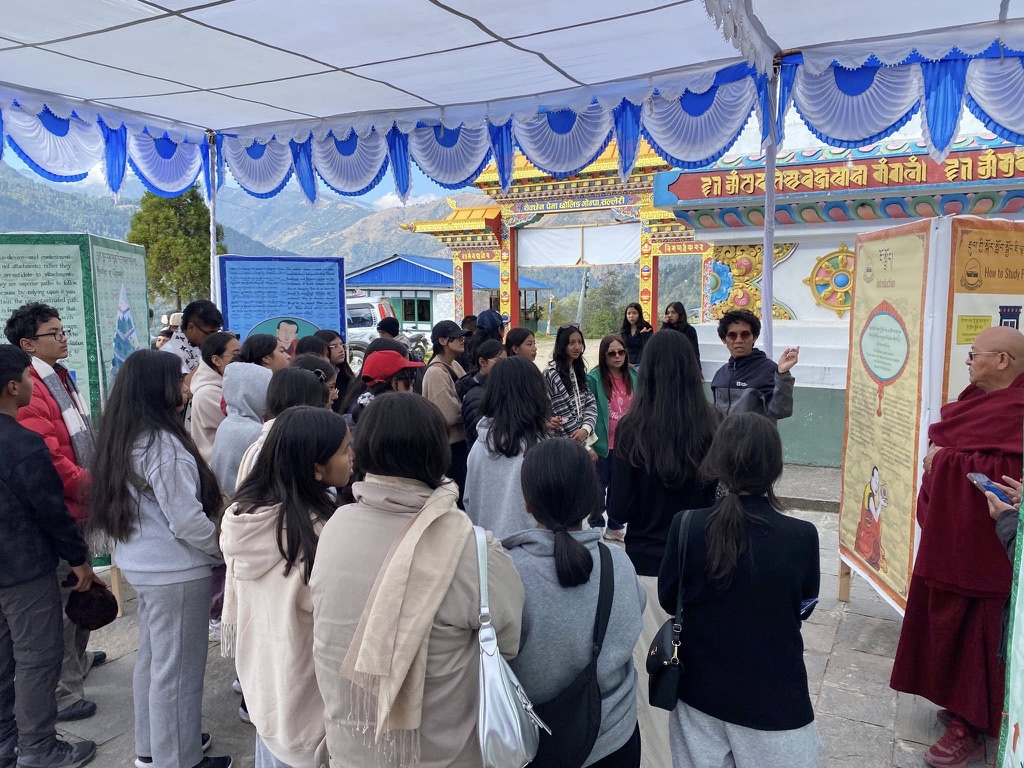
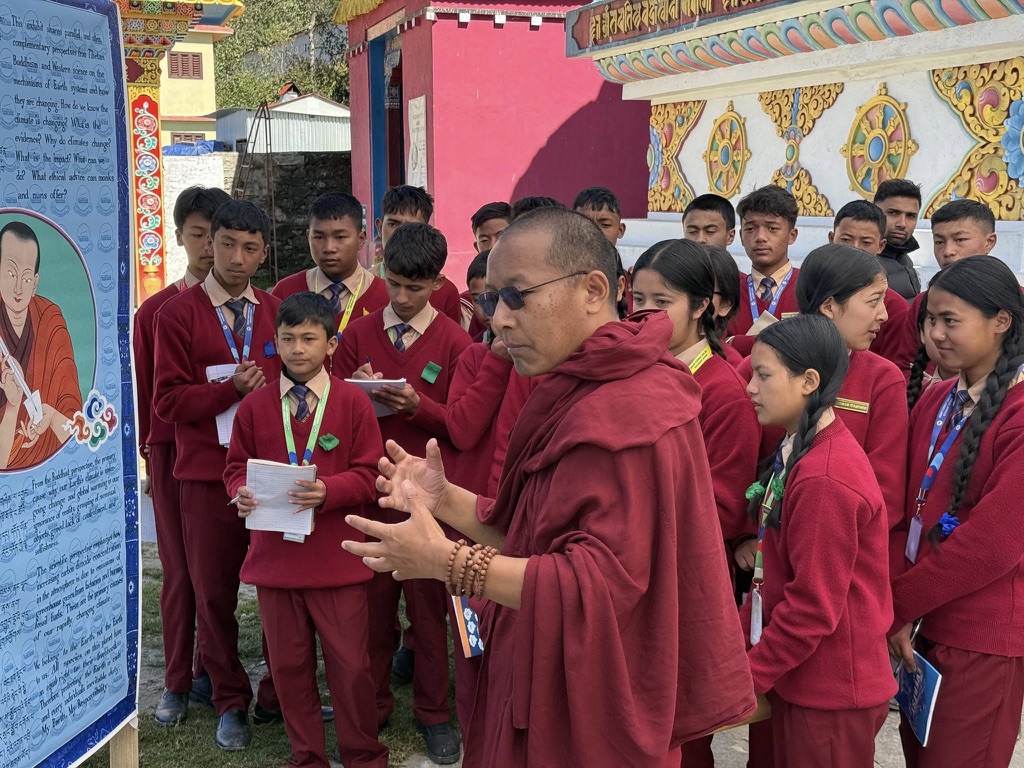
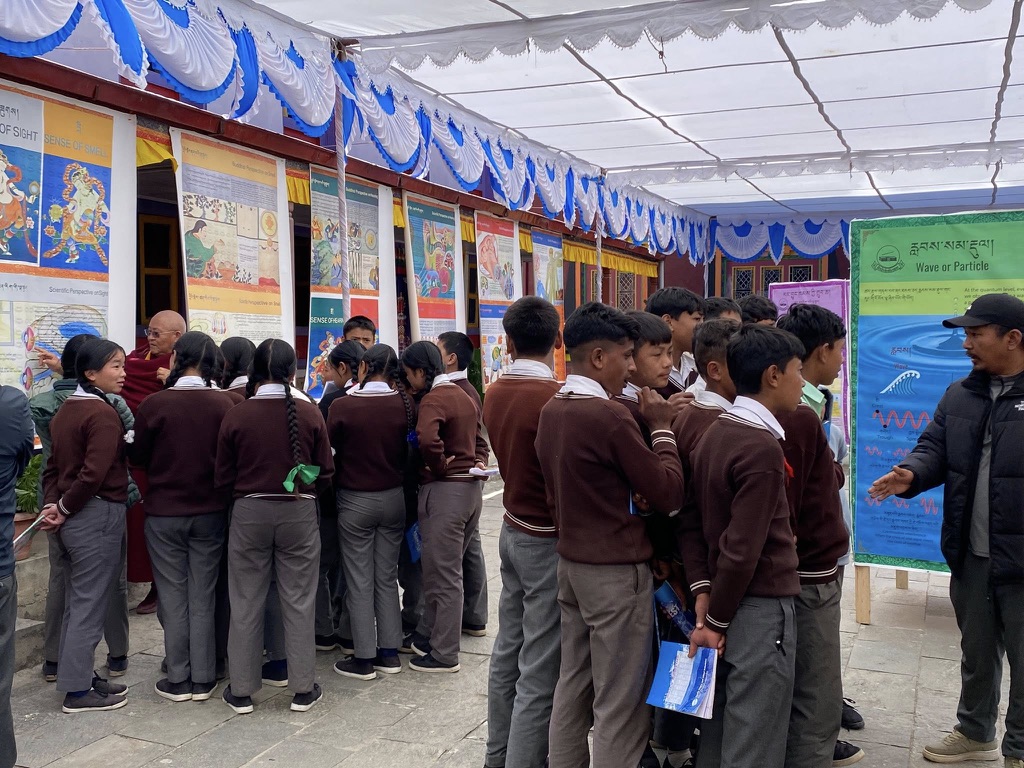
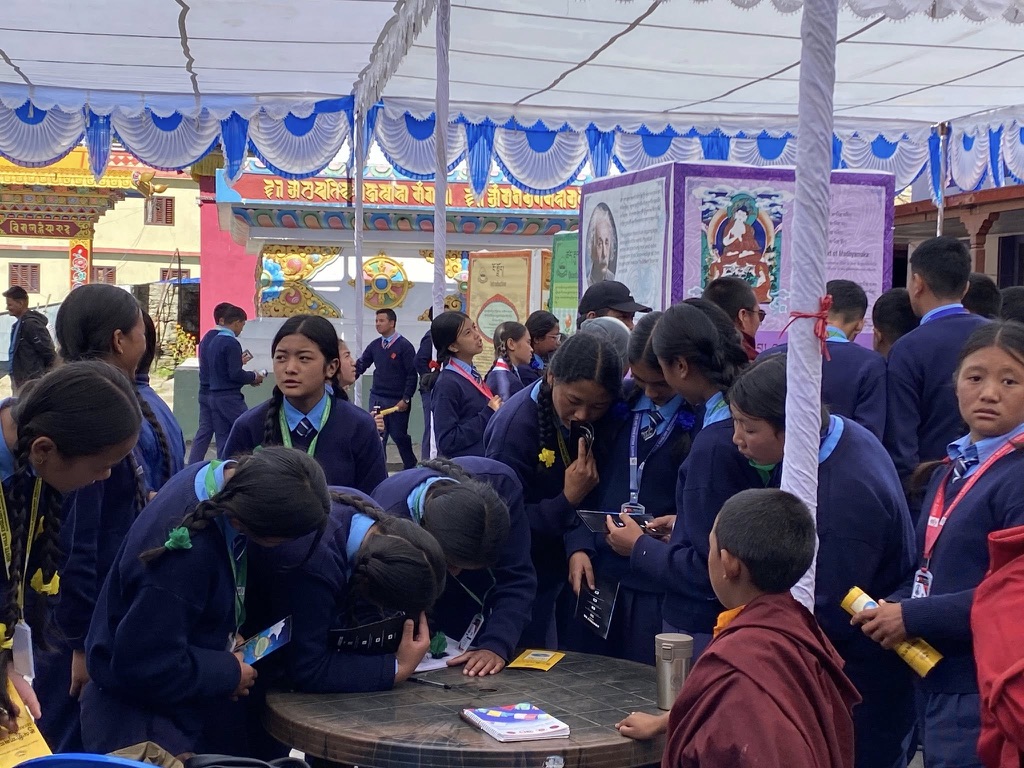
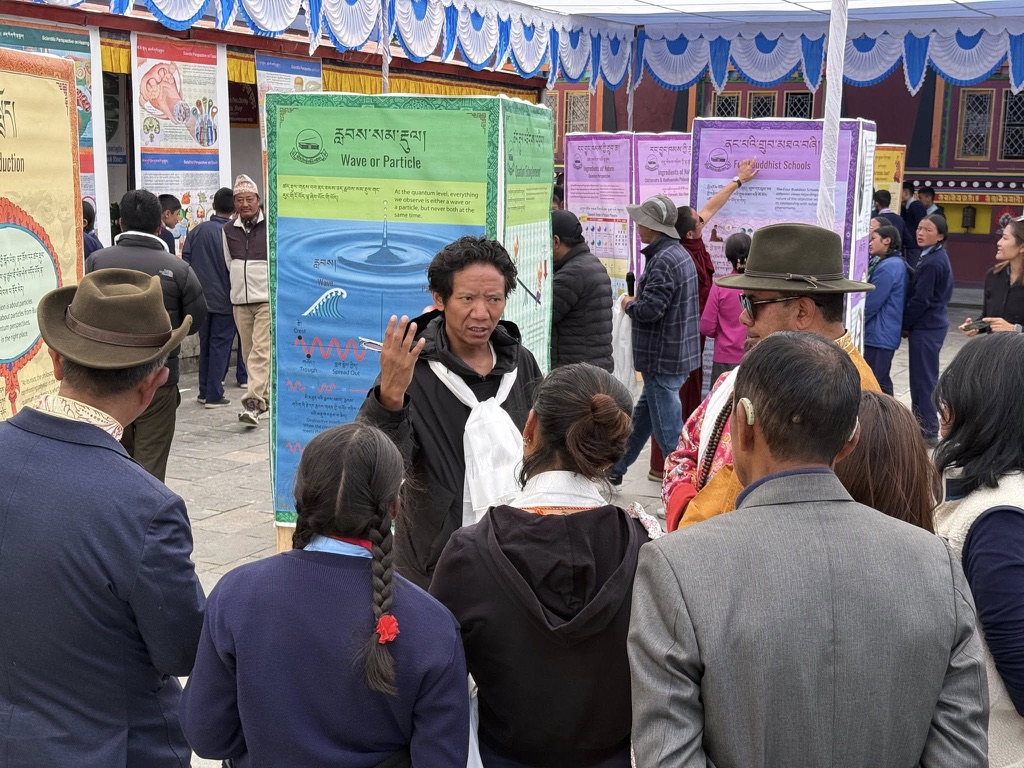
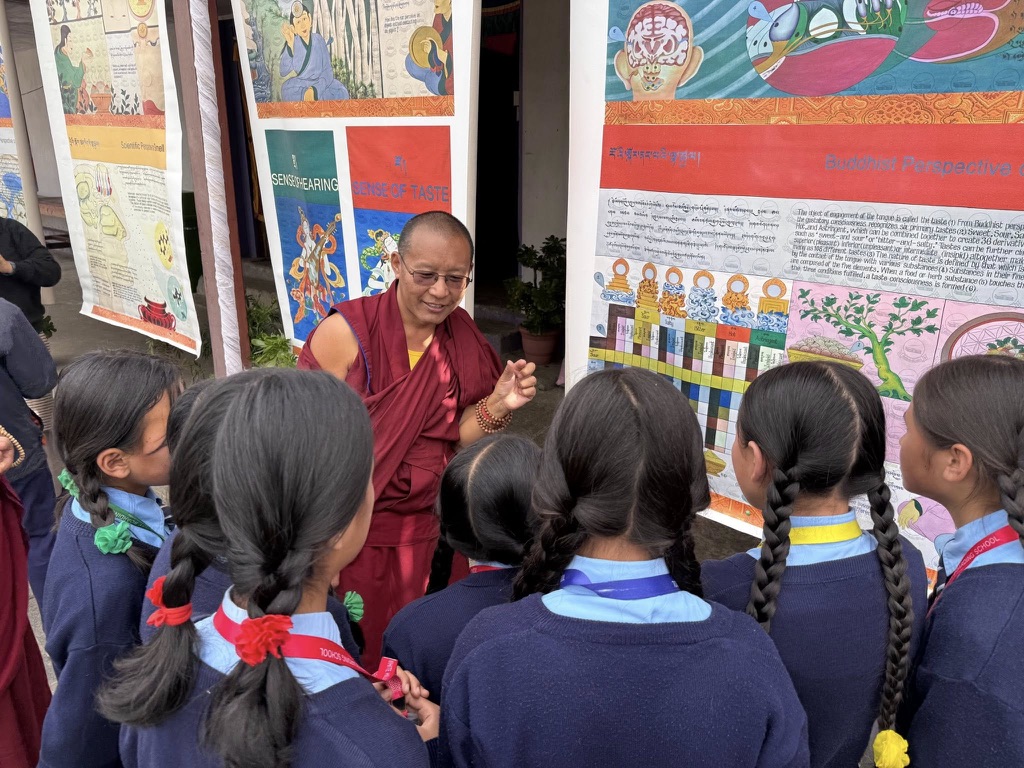
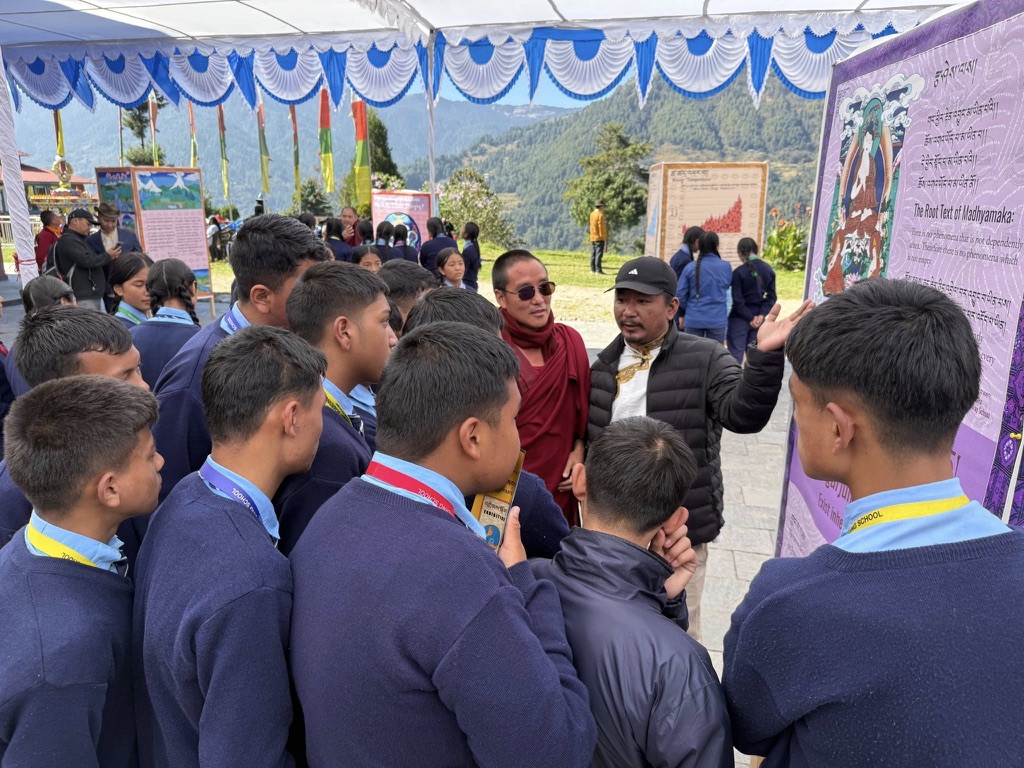
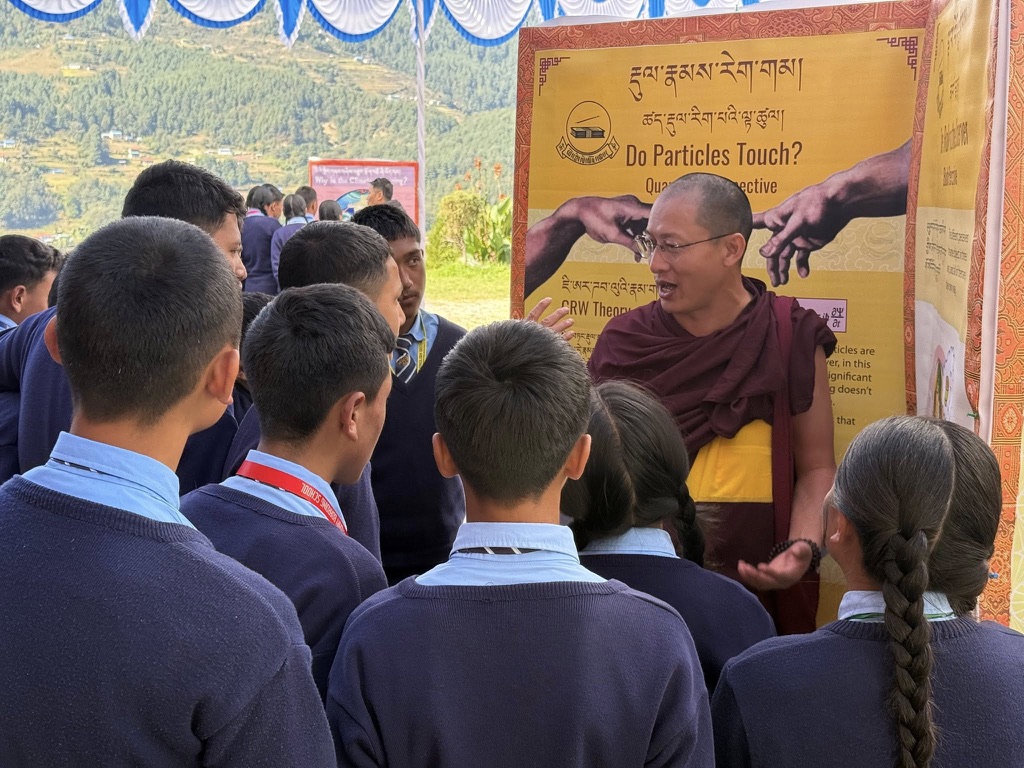
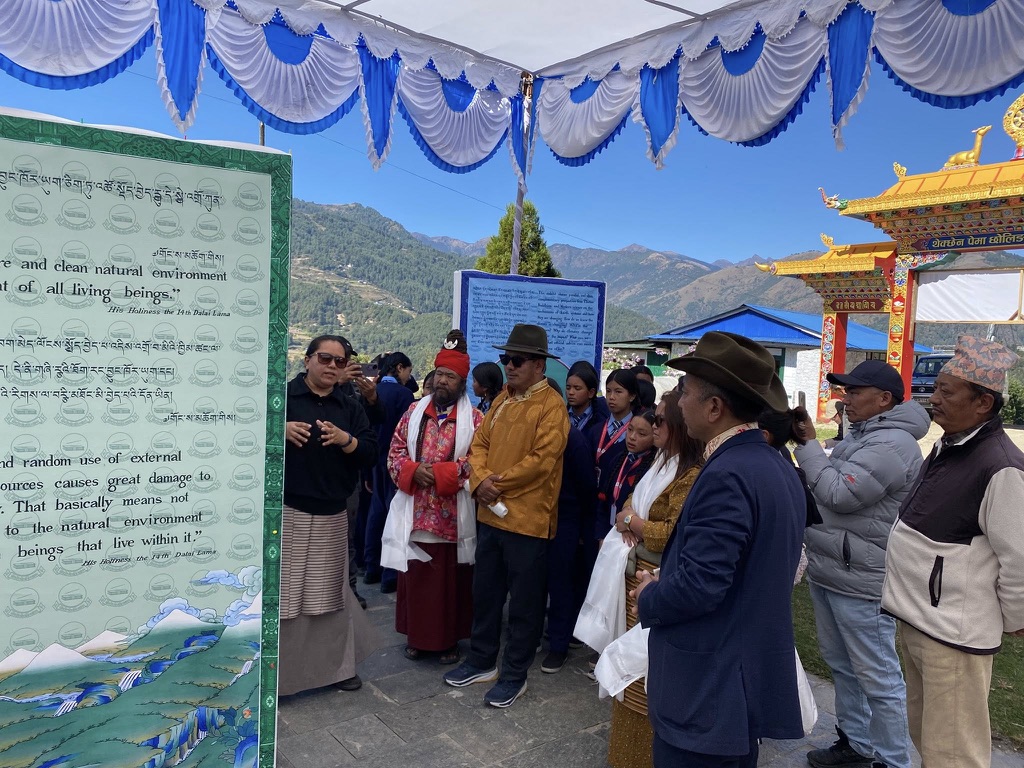
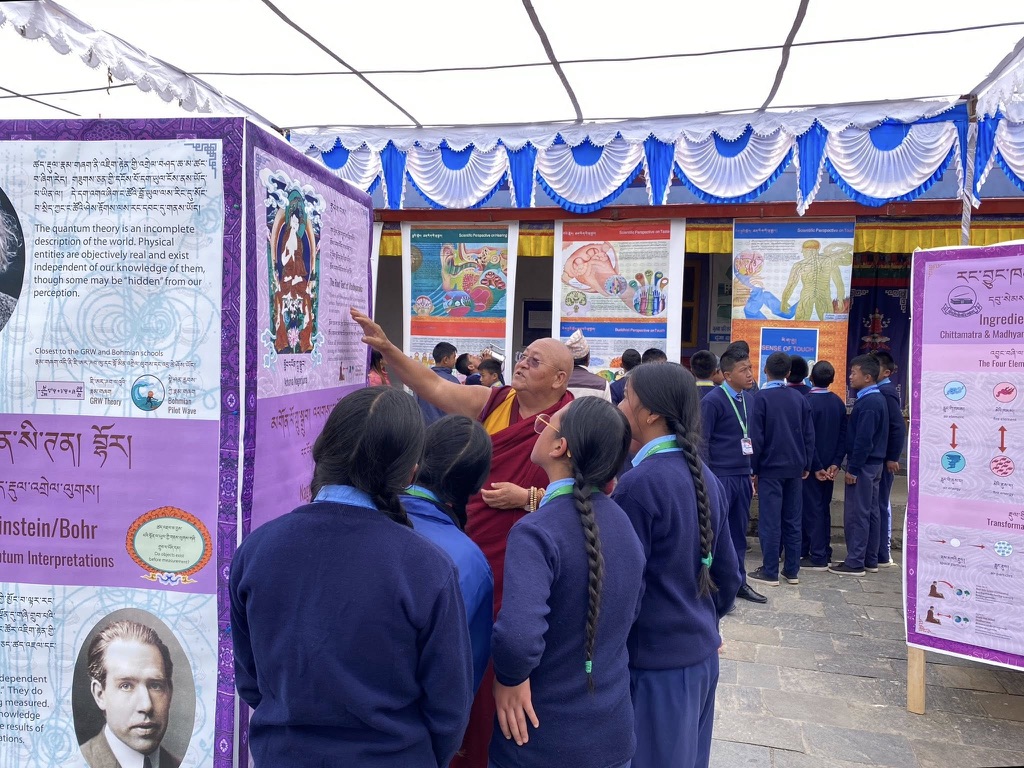
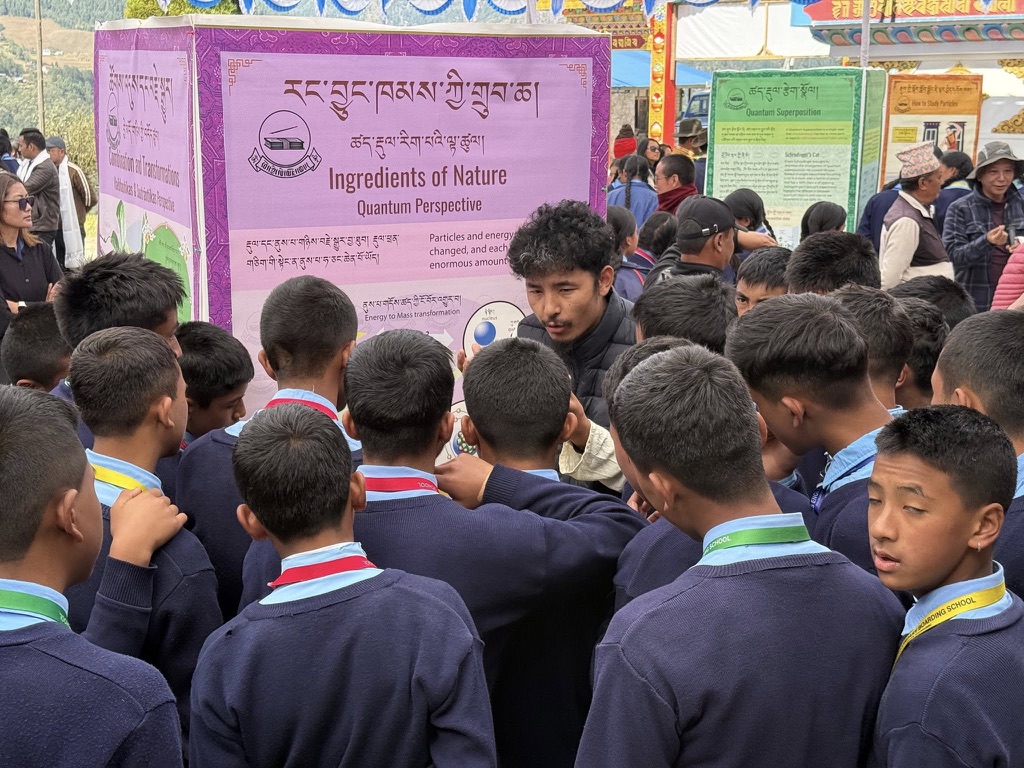
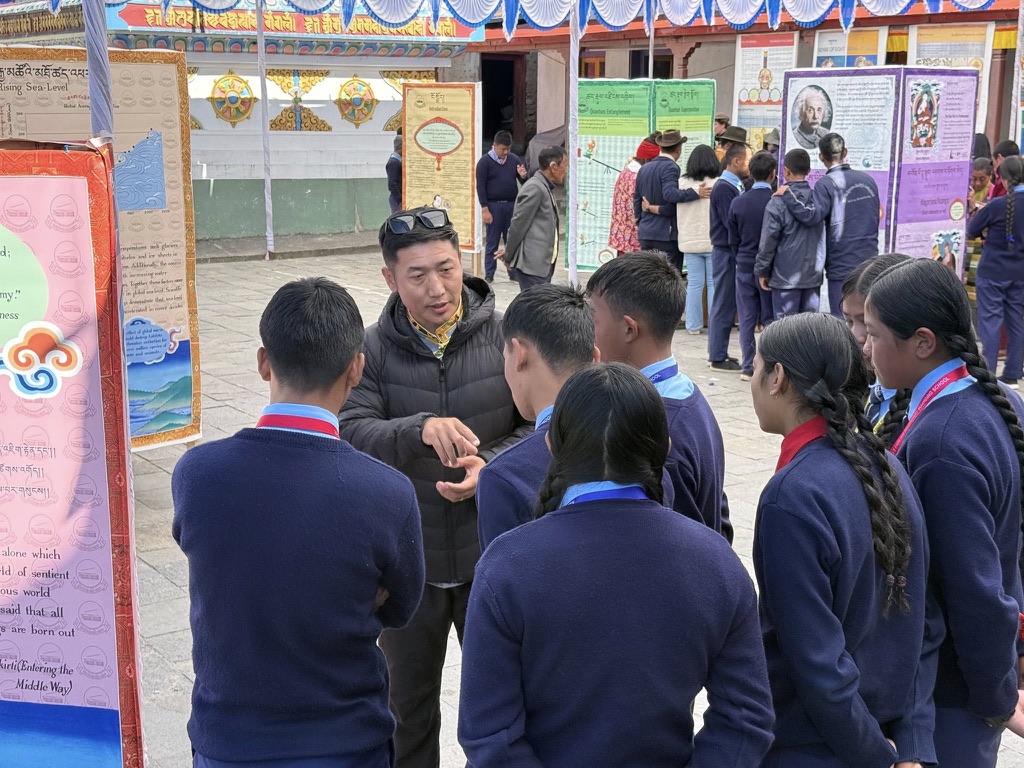
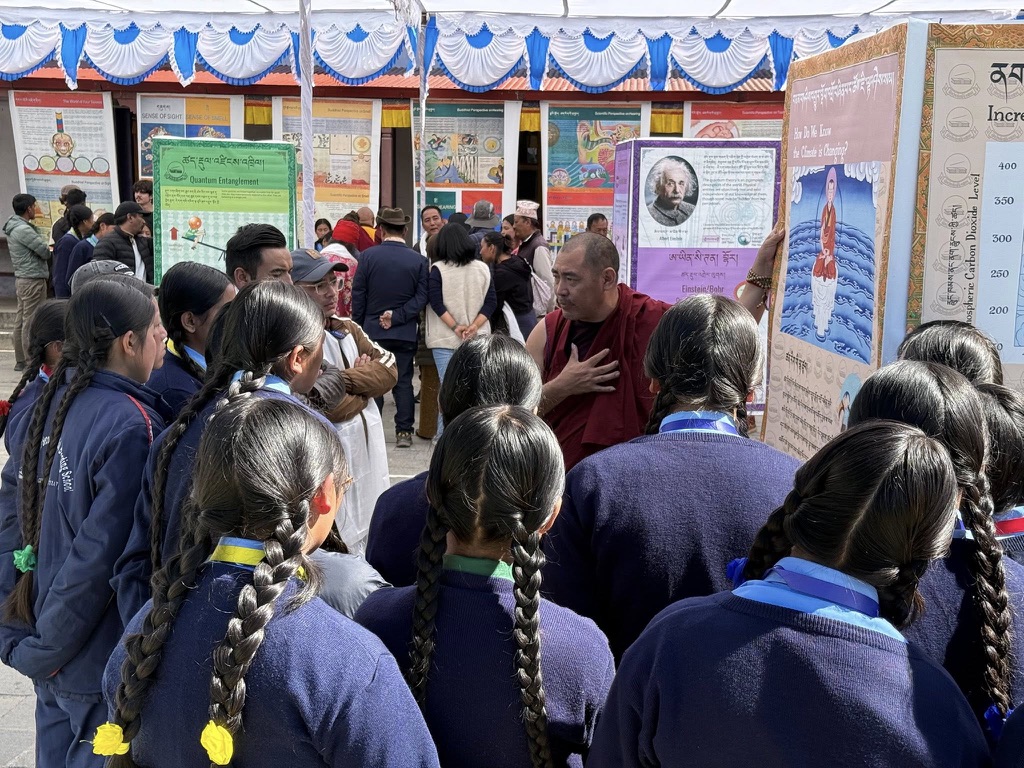
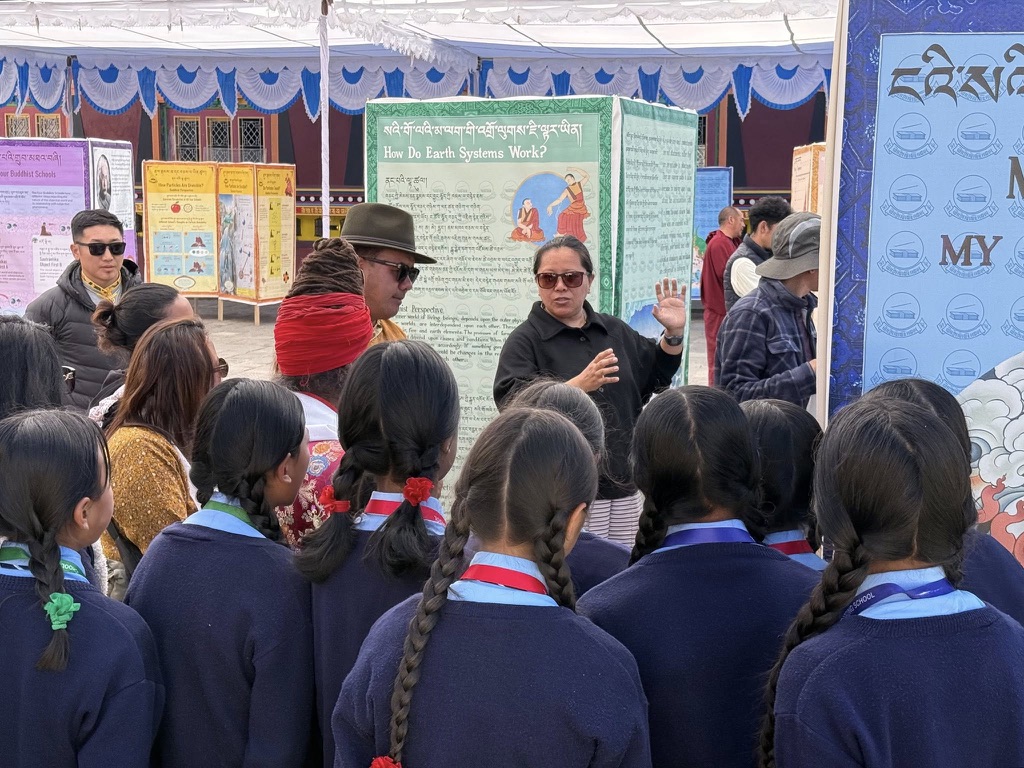
The first three days of the Science Leadership Program were dedicated to the exhibition, during which participants explored a wide range of interactive displays and demonstrations. Three of our exhibitions, titled: “The Secrets of Particles”, “My Earth, My Responsibility”, and “World of your Senses” were displayed at the Monastery, from 11-13 November 2025. These three interactive exhibitions share the monastic science leaders’ perspective on topics salient to the intersection of Buddhism and Western science. These exhibitions provided an engaging platform for observing scientific concepts in practice while encouraging curiosity, discussion, and learning.
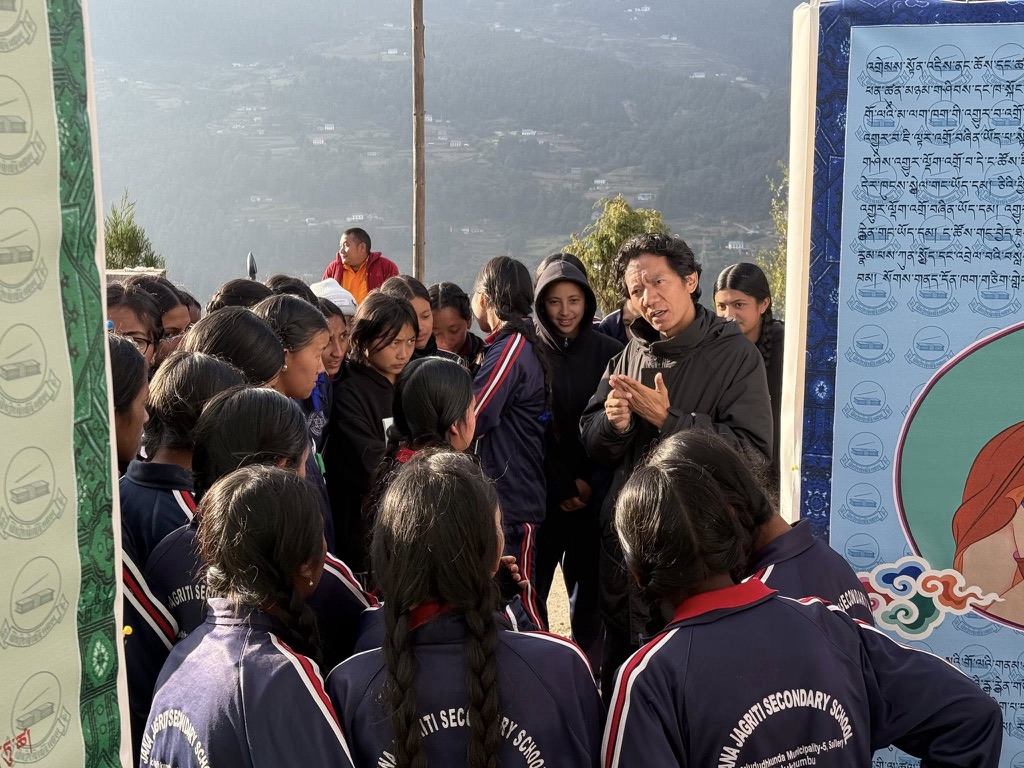
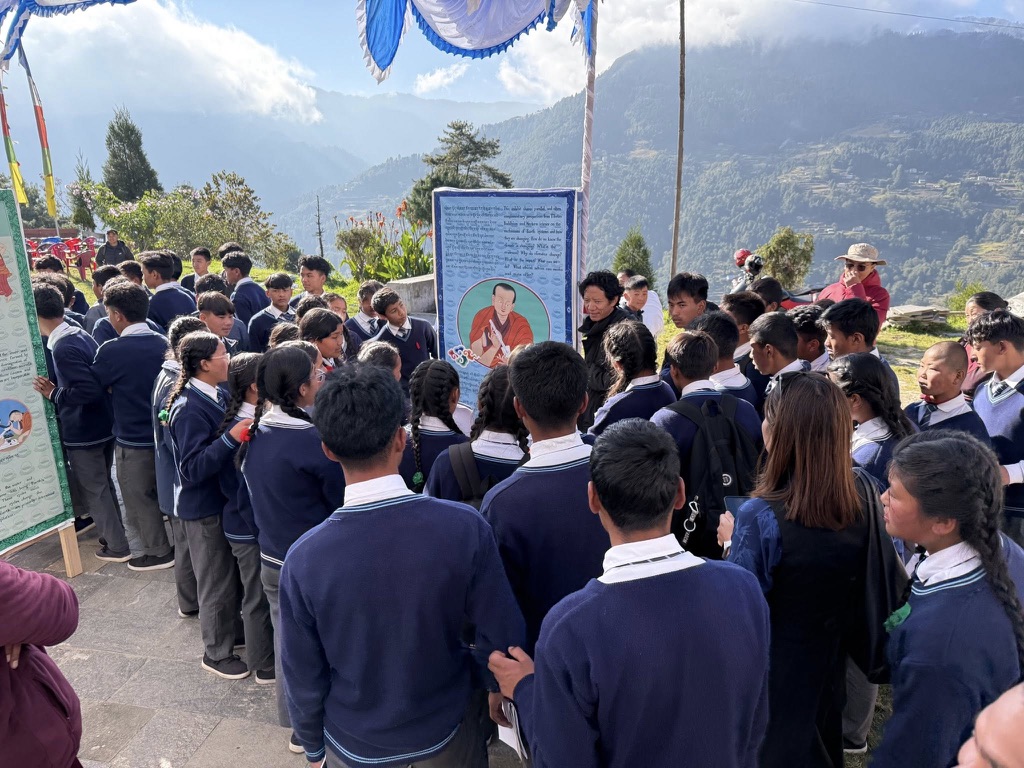
Thousands of people from all age groups visited the exhibition displays. Visitors were actively engaged in discussions. The steady flow of attendees made the exhibitions lively and meaningful, highlighting the positive response and overall success of the event. This initiative was widely appreciated, and many of the participants expressed strong enthusiasm toward this science program, as it helped bridge educational gaps and demonstrated the positive impact that thoughtful outreach programs can have in remote areas. Students and teachers from various schools visited the displays, such as White Hills Higher Secondary English Boarding School, Karuna School, Mount Everest English Secondary School, J.J Basic School, Salleri, Shree Garma Secondary School, Solukhumbu, Jana Jagriti Secondary School, etc.
Many students, monks, teachers, and even local people of the region acknowledged the science-focused program, and some commented that it provided a rare opportunity to engage with practical scientific learning, as it was the first time such science exhibitions had happened in their region.
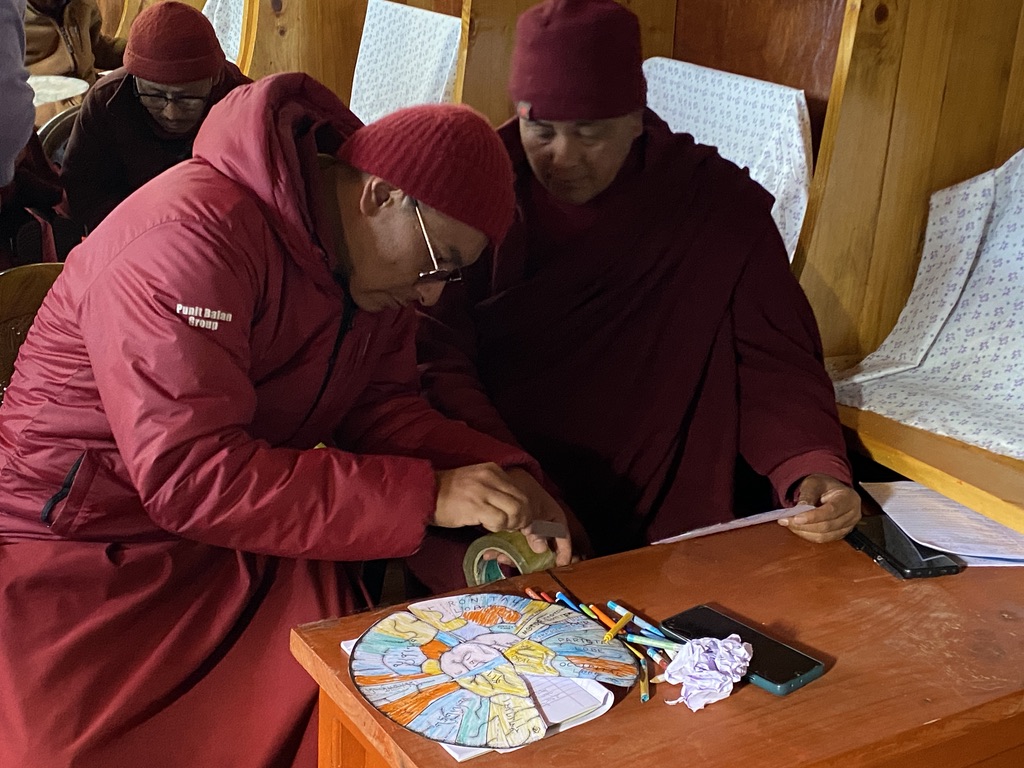
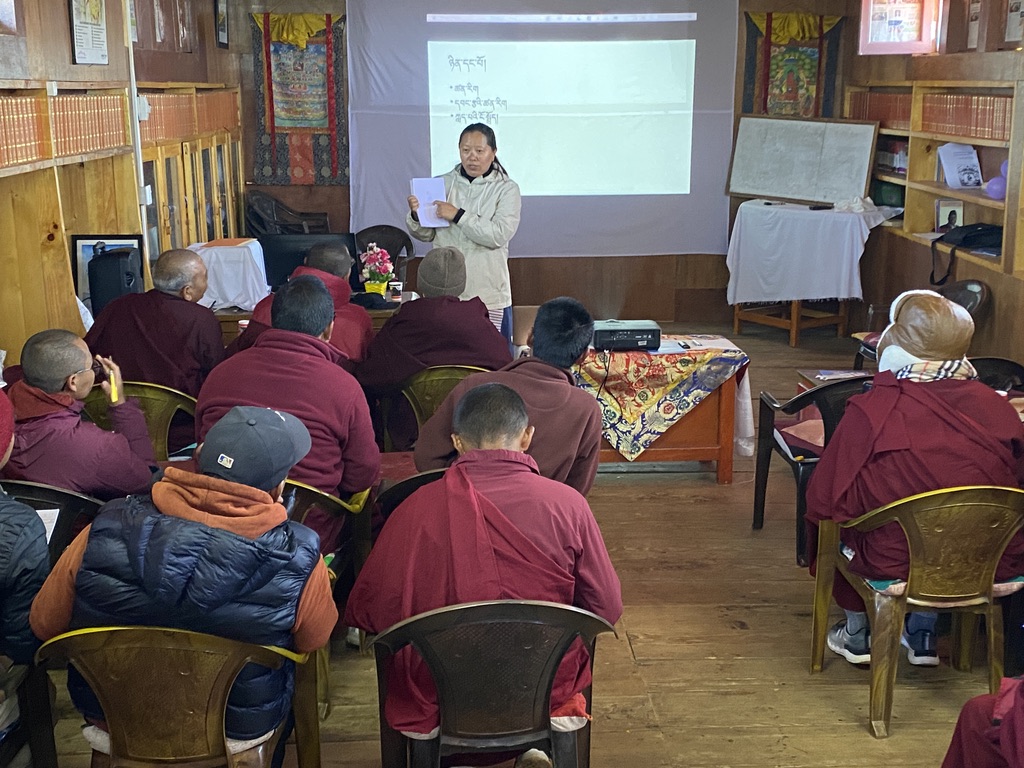
The Science Leadership Program offered an exploration of neuroscience, biology, mindfulness, and physics, while fostering an open dialogue between Buddhism and modern science.
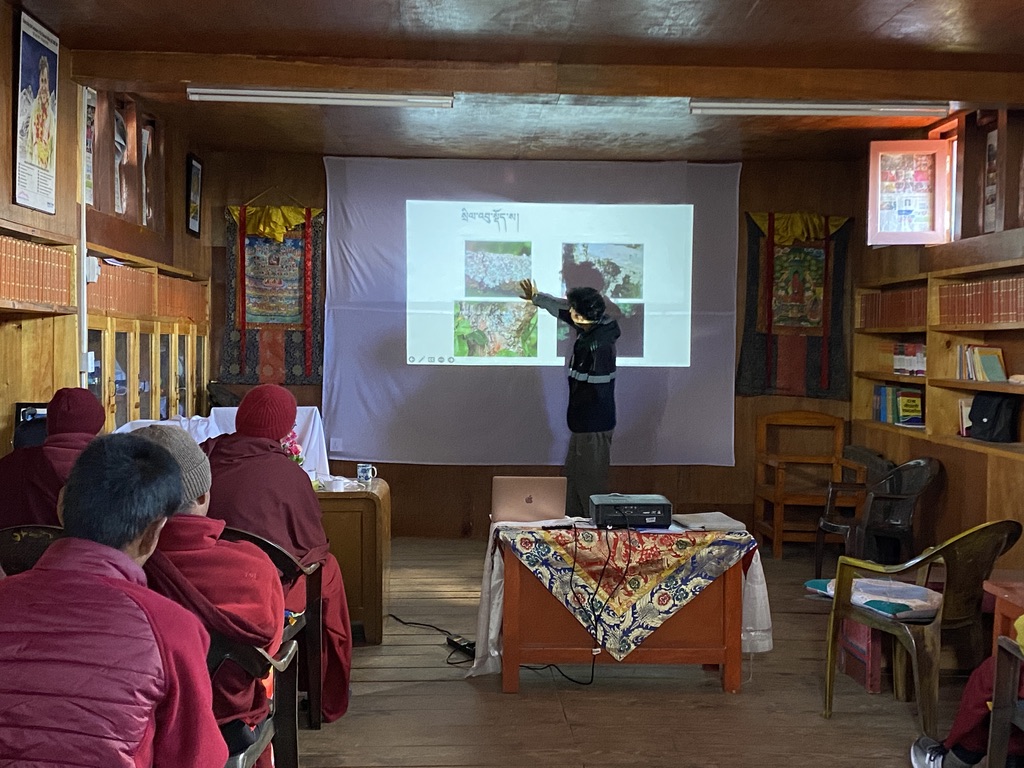
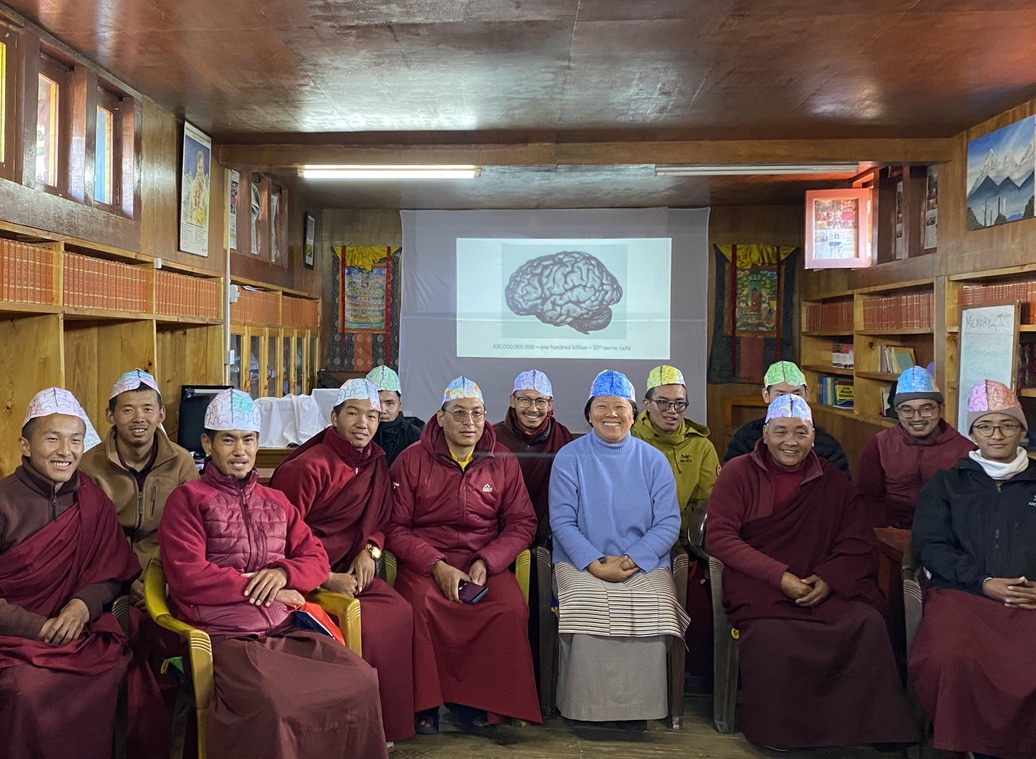
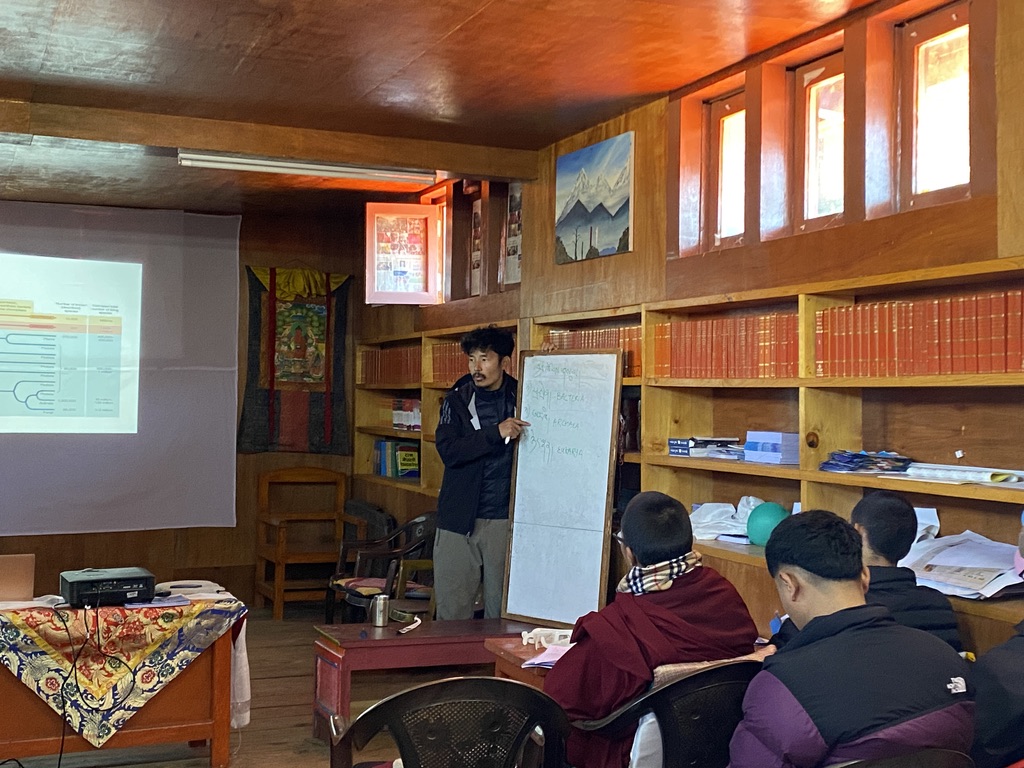
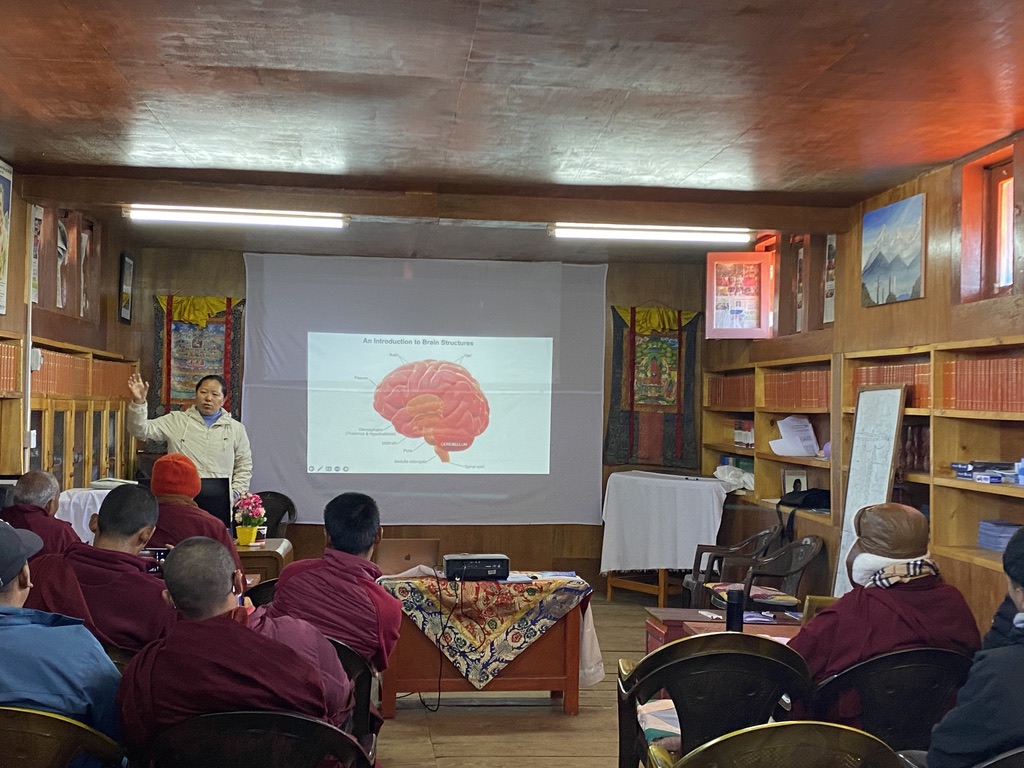
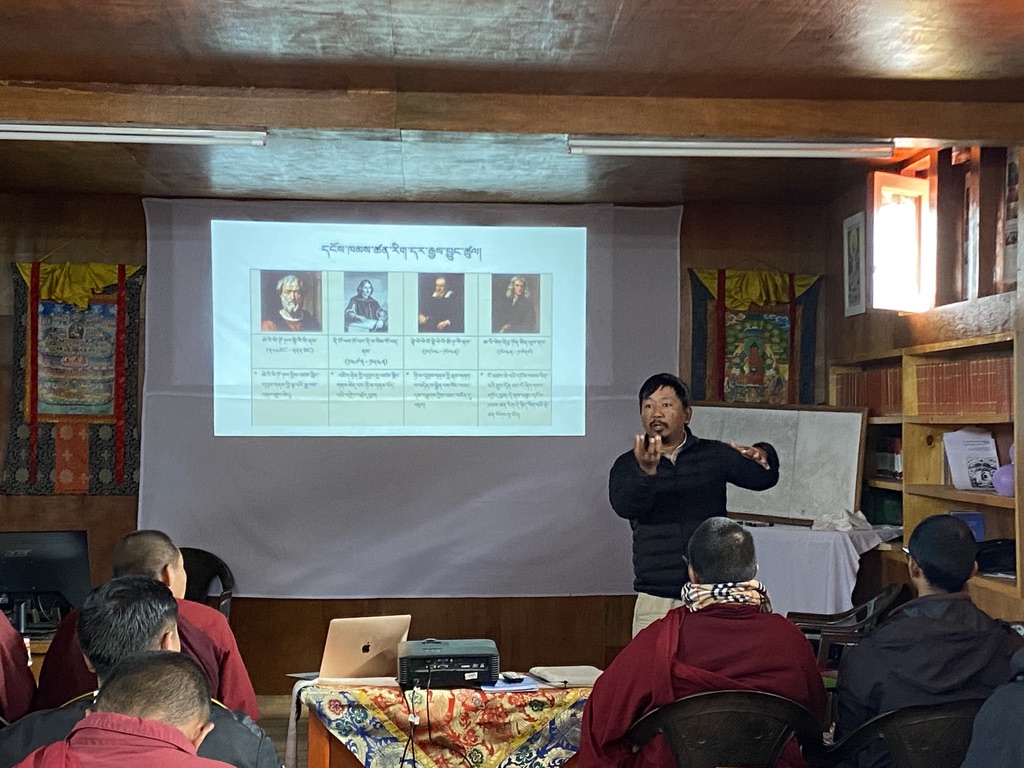
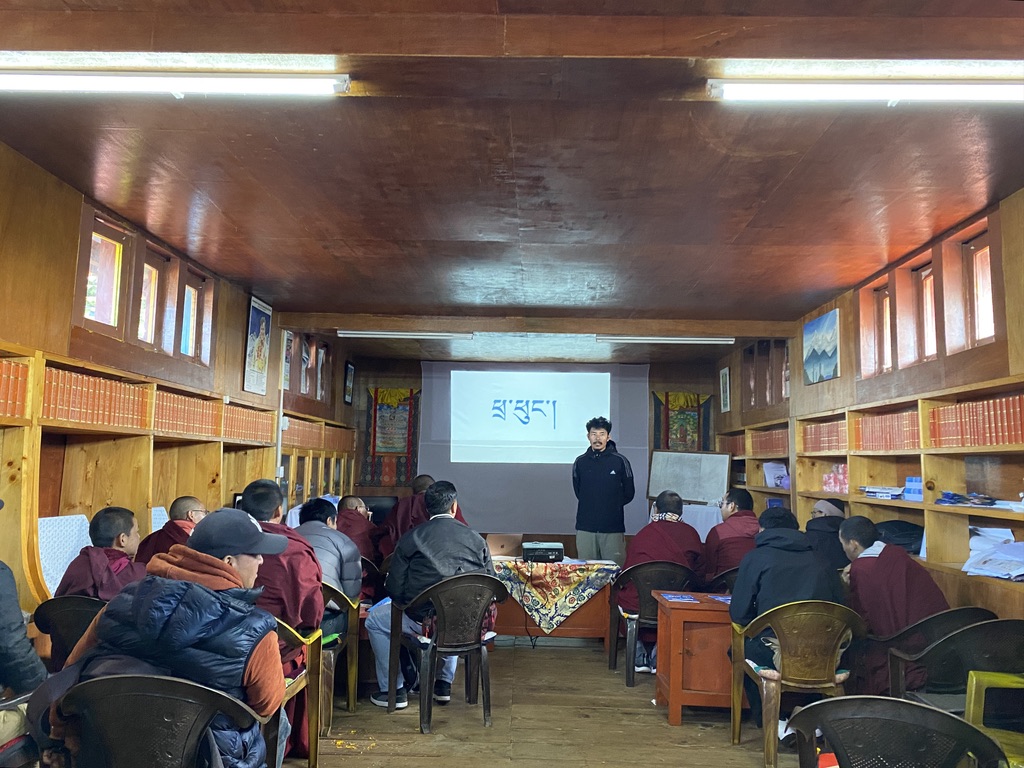
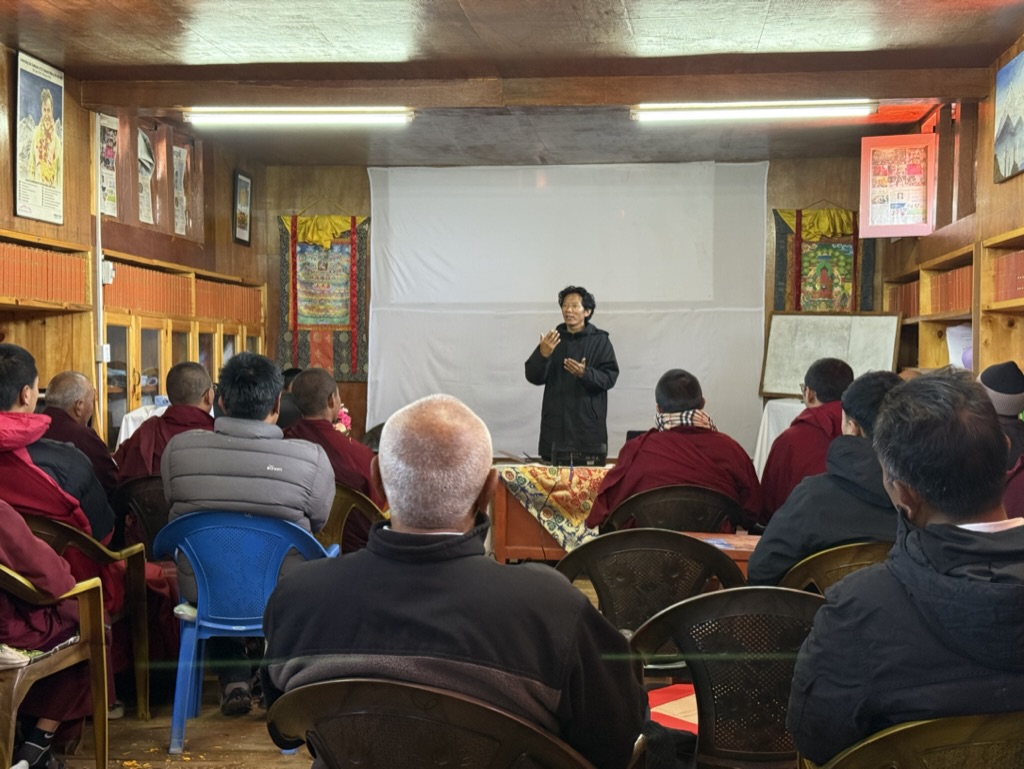
For the morning session, we had classes on neuroscience and biology. LTWA Science department head, Ms. Tenzin Paldon, taught the participants about the basics of neuroscience, providing a clear overview of how the brain and nervous system function. Through her classes, participants also learned about neurons, how they transmit signals, and the importance of synapses in communication within the brain. Ms. Paldon’s classes on neuroscience helped build a foundational understanding of brain structure and function in a simple and accessible way.
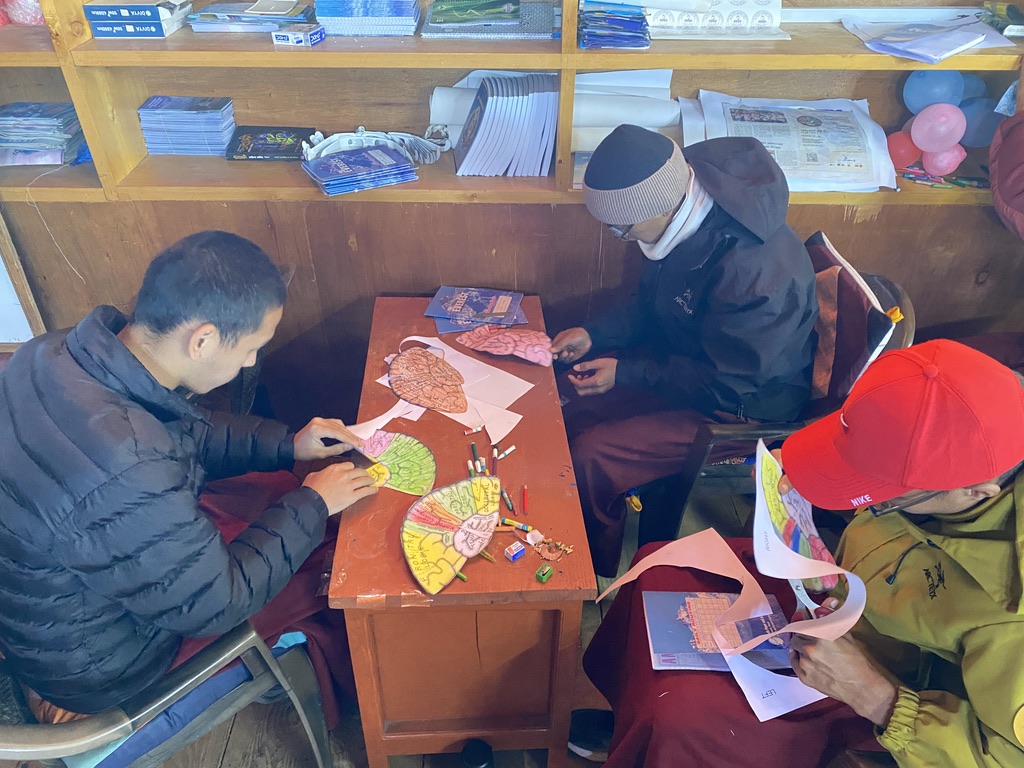
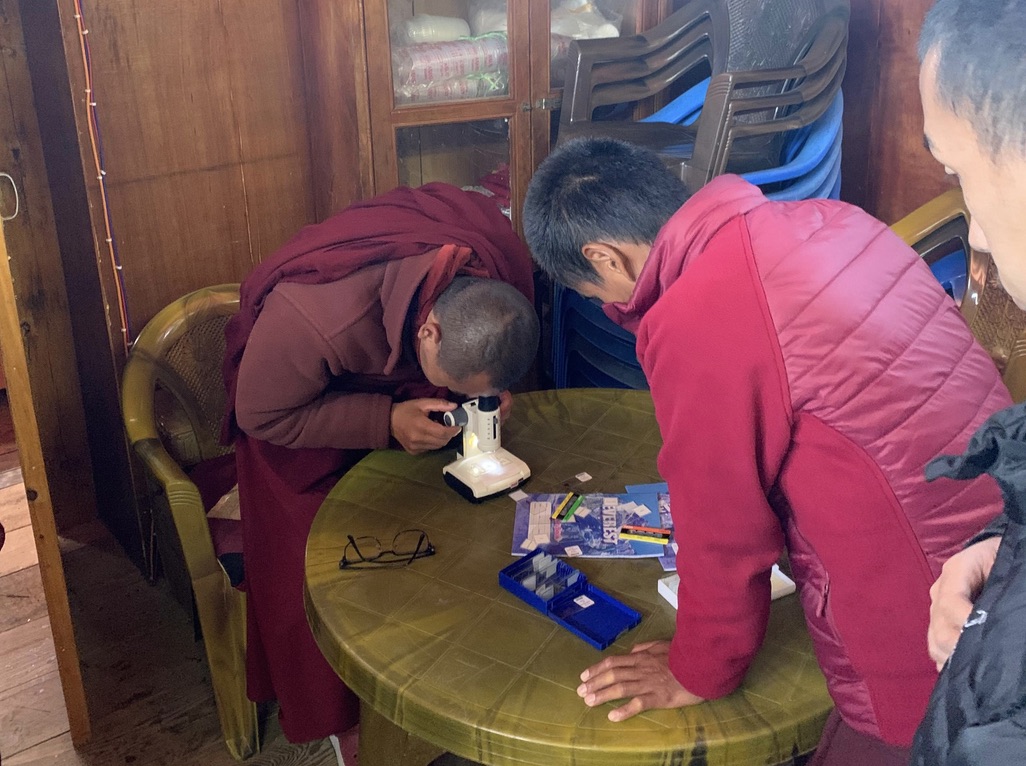
The second class of the morning session was on biology. The biology classes were conducted by Mr. Trinlay Wangdu and Mr. Tsewang Rinzin. The classes covered major understandings of the study of life, such as the characteristics of life that include energy, cells, information, replication, evolution, etc. With a thorough lesson plan, with examples and illustrations, they helped participants understand fundamental concepts such as growth and the interdependence of life.
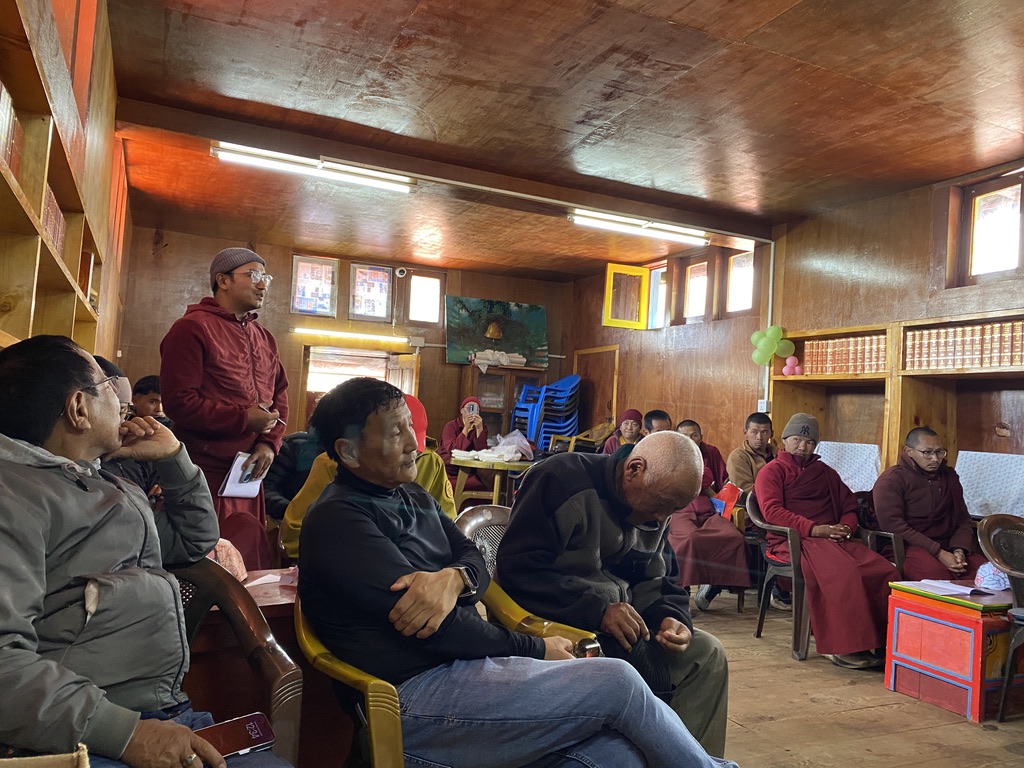
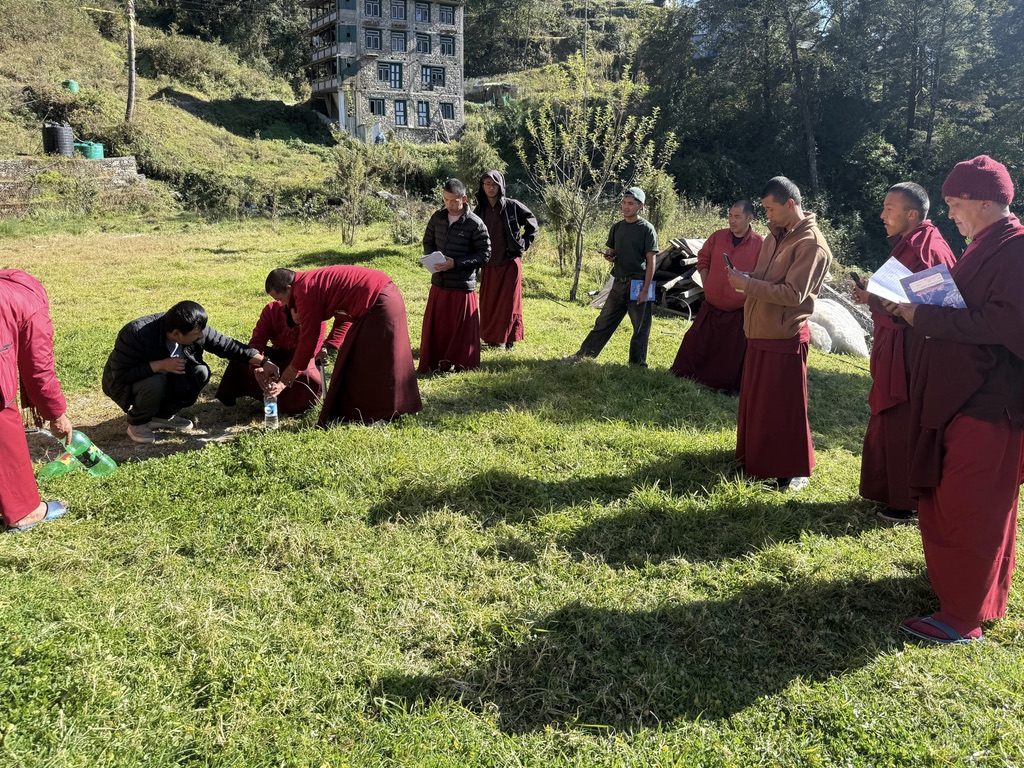
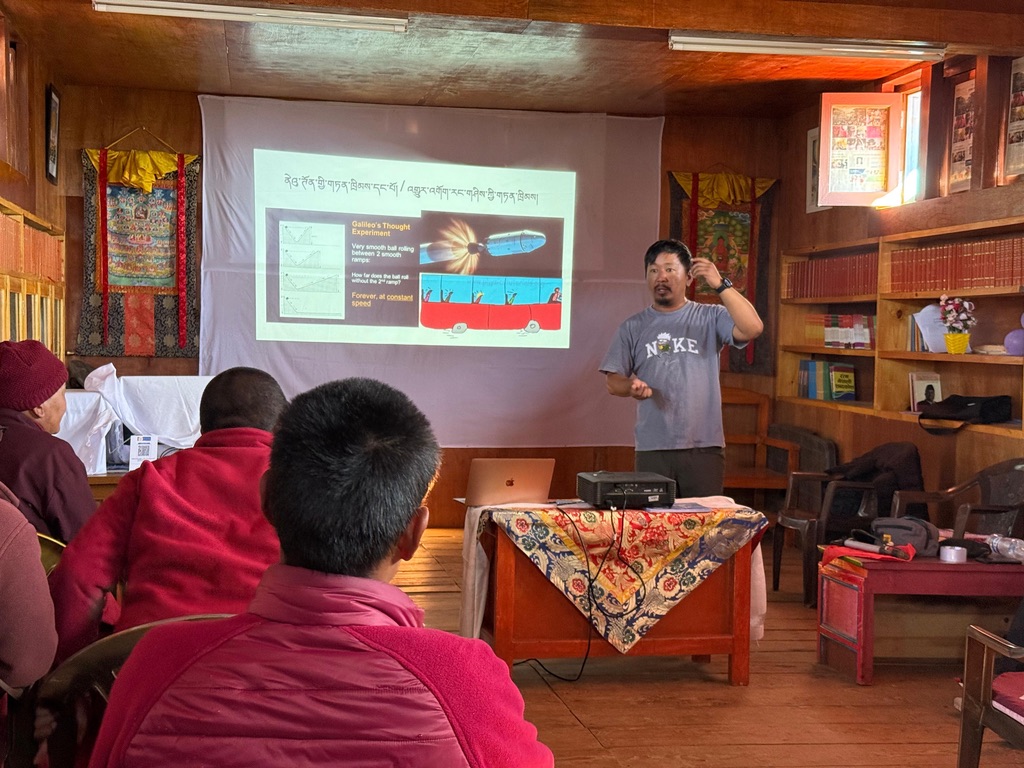
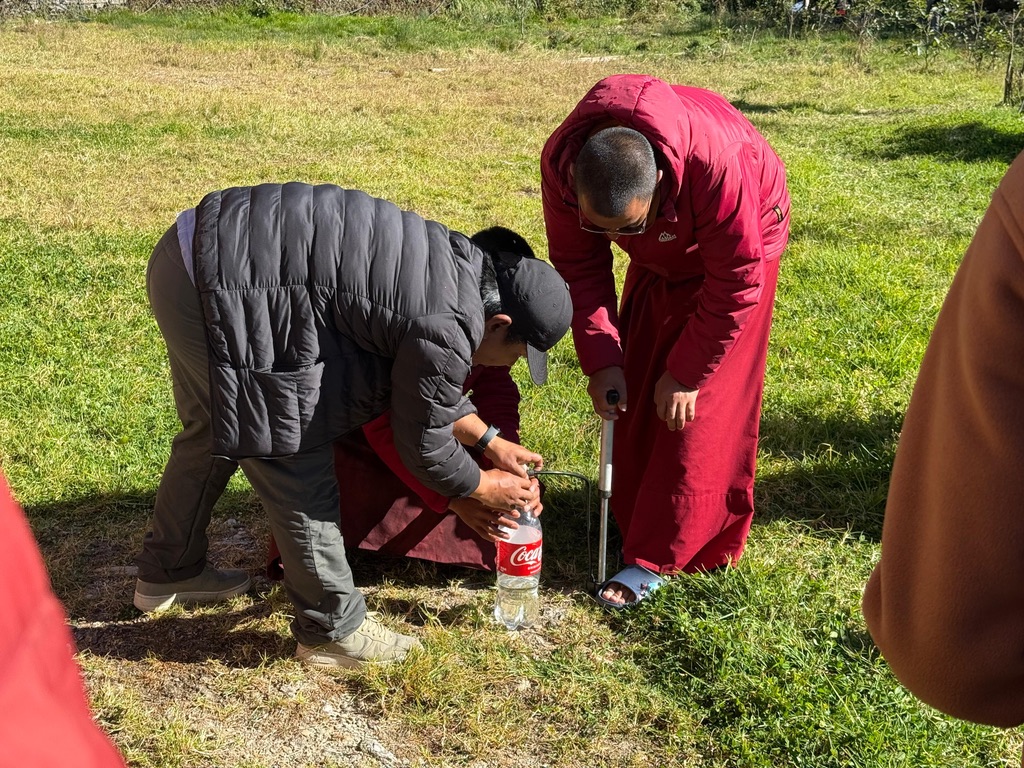
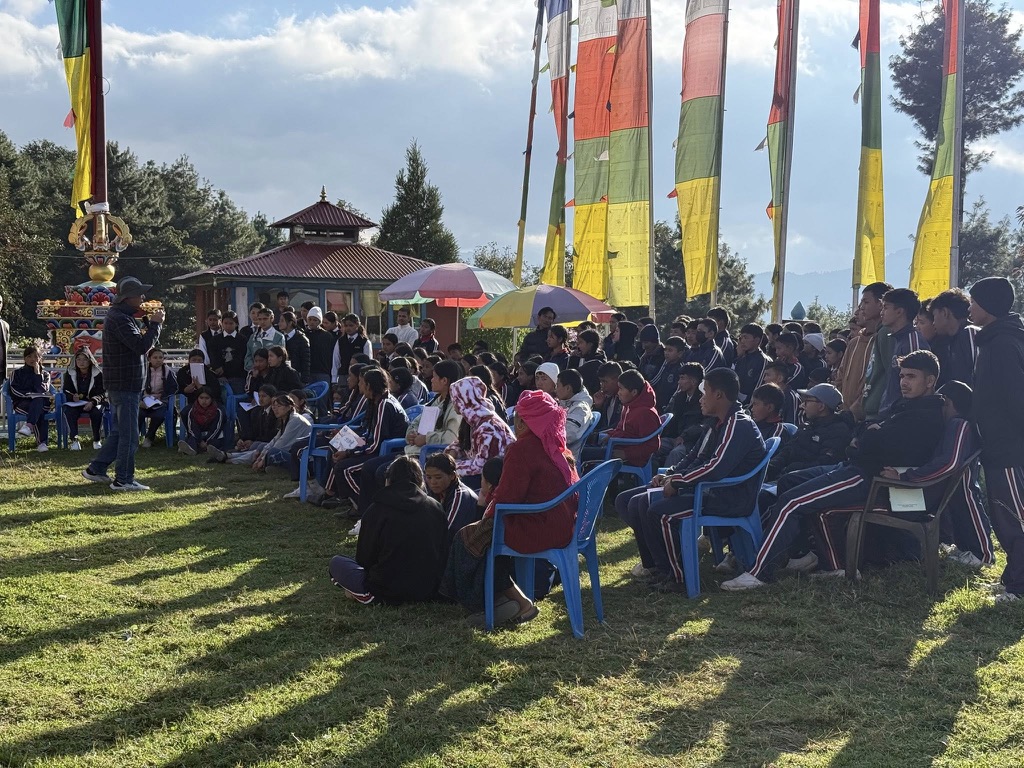
For the afternoon session, we had three classes: the first on physics, the second on mindfulness and meditation, and the third on an open discussion among our teachers and the local people of the region. The physics classes were conducted by Mr. Tenzin Lobsang, who taught the basics of physics by breaking down complex ideas into simple concepts with hands-on activities, experiments, and examples. The participants expressed strong enthusiasm and felt that the subject was exciting and accessible with these practical examples, helping them see the wonders of the physical world around them.
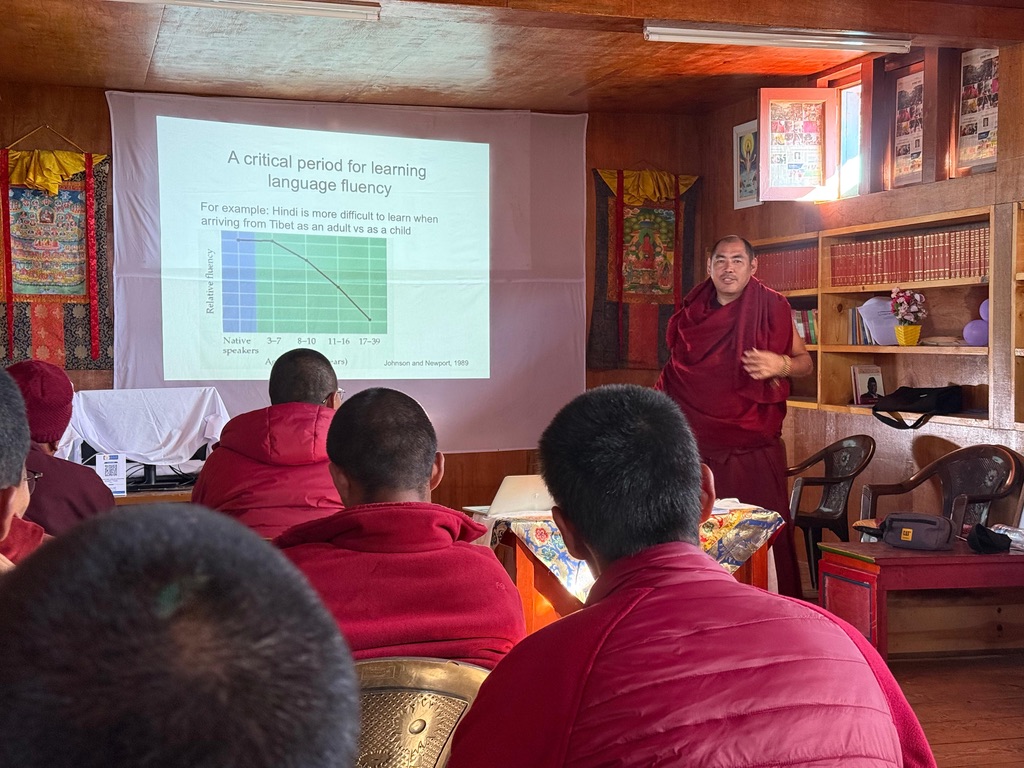
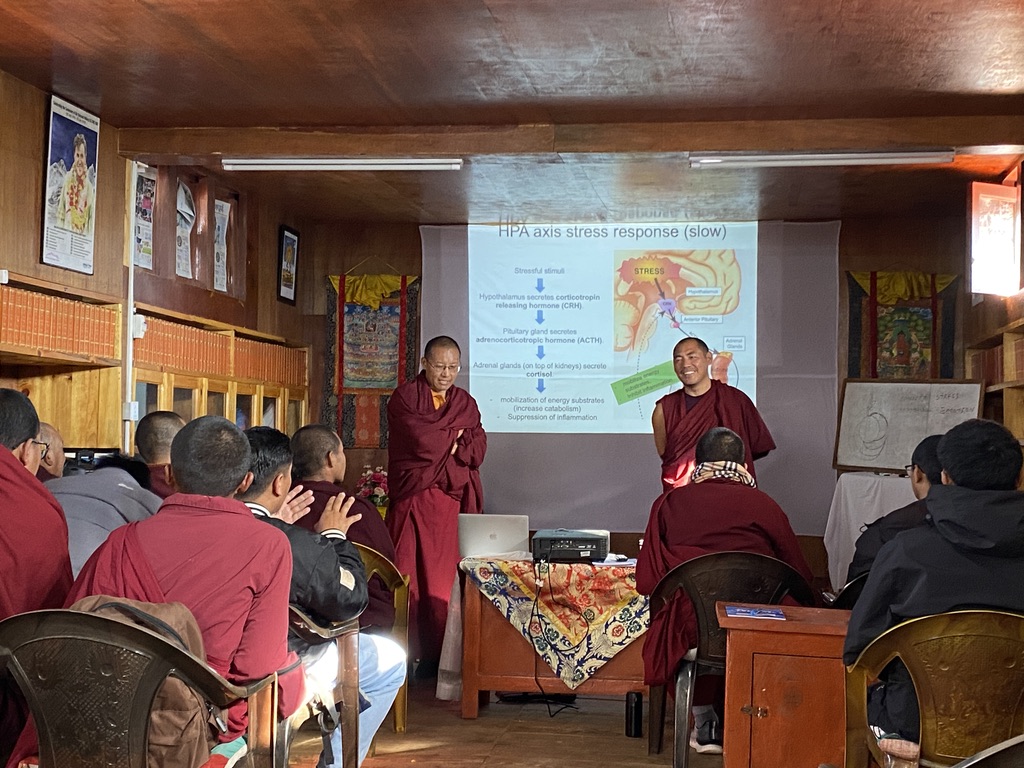
The classes on mindfulness and meditation were conducted by our monk scholars, Geshe Lodoe Sangpo and Geshe Thabkhe. They guided the class through the basics of mindfulness and meditation, blending insights from both science and Buddhism. They explained how meditation can help regulate the body’s stress response, including the HPA axis and cortisol release, while also introducing traditional Buddhist principles of awareness and compassion. For the third class on open discussion, we had Geshe Thabkhe, Geshe Sangpo, Geshe Nyima Tashi, and Mr. Karma Thupten of SFMN. This class brought together local people of the Salleri region for an open discussion on the connections between Buddhism and science. Participants explored how Buddhist teachings on mindfulness, ethics, and the nature of mind align with scientific insights.
Closing Ceremony of Science Leadership Program
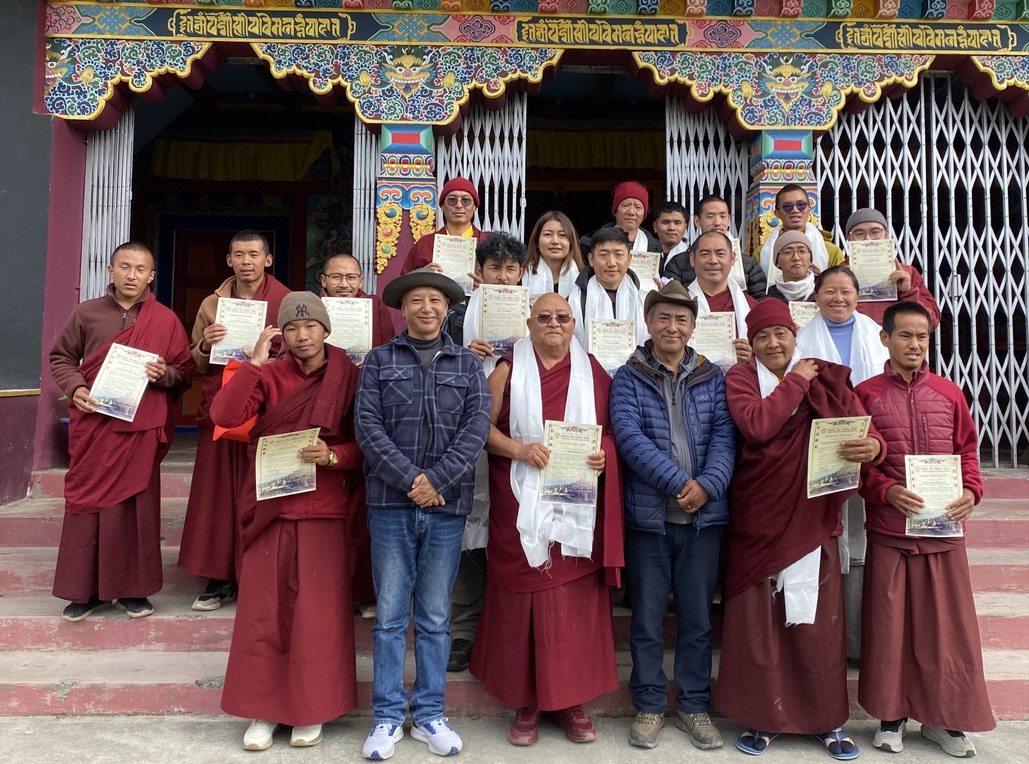
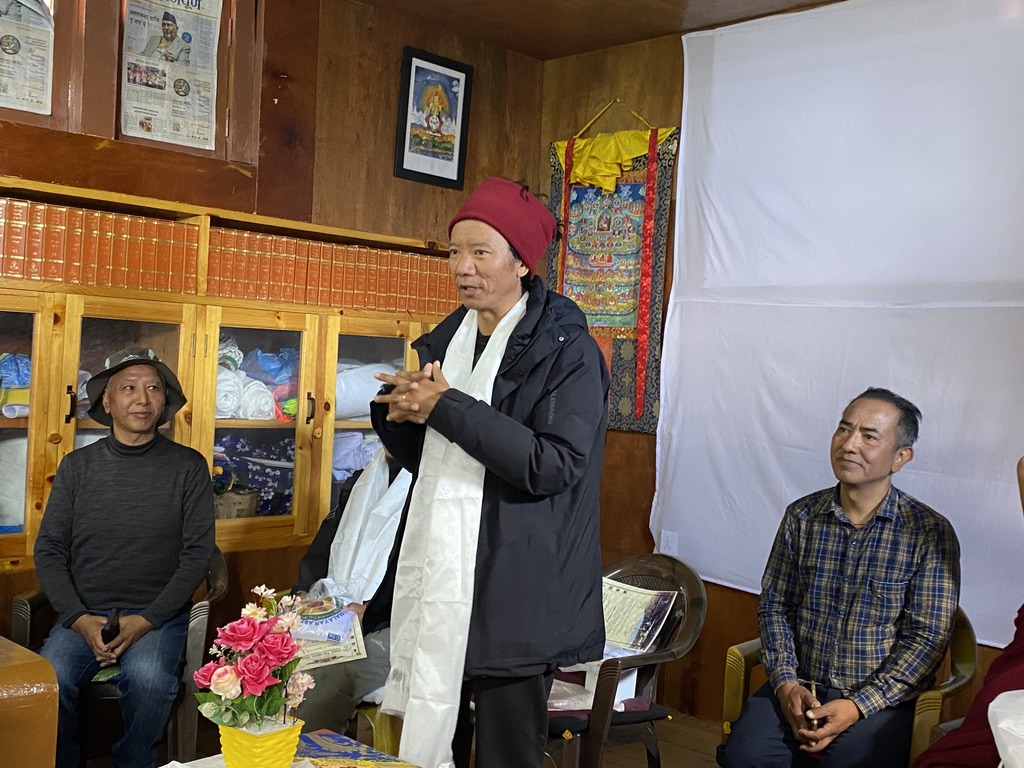
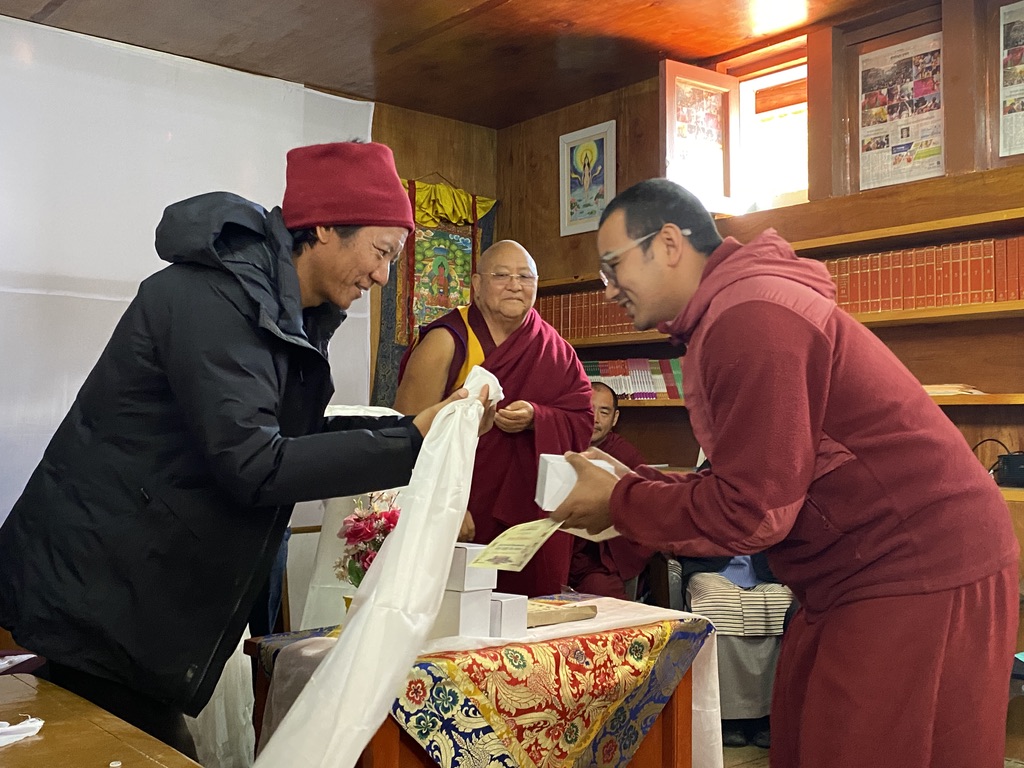
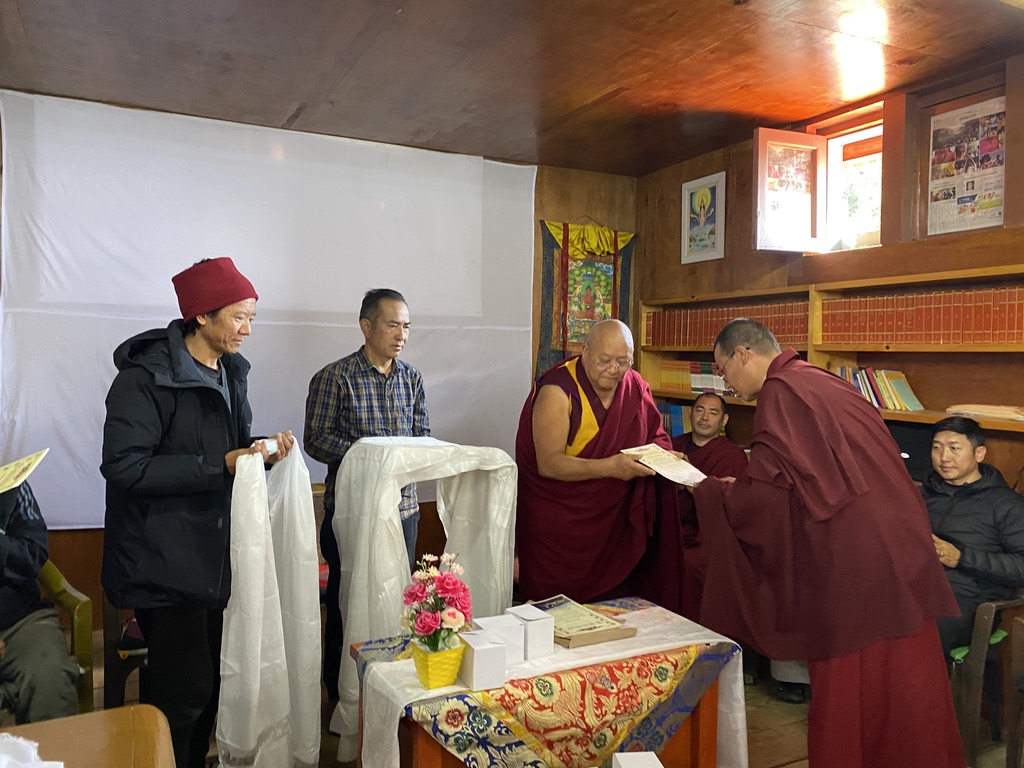
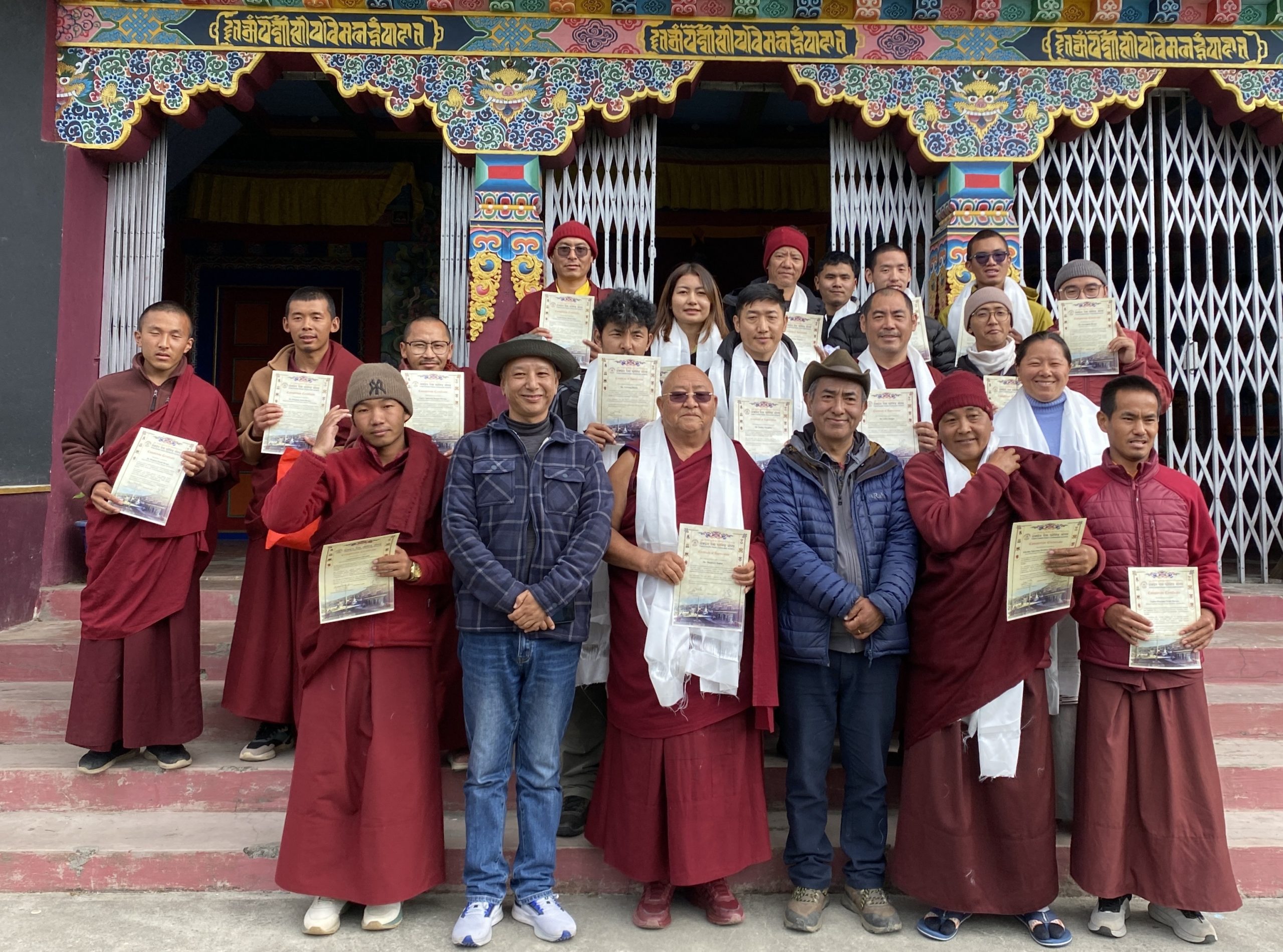
The closing ceremony of the program on 20 November 2025 marked the successful completion of an inspiring and transformative journey for all participants. Participants were provided certificates in recognition of their dedication, active participation, and successful completion of the program. Some of the students commented on how this workshop was beneficial and expressed strong enthusiasm to see more such programs in the future.