View Photos
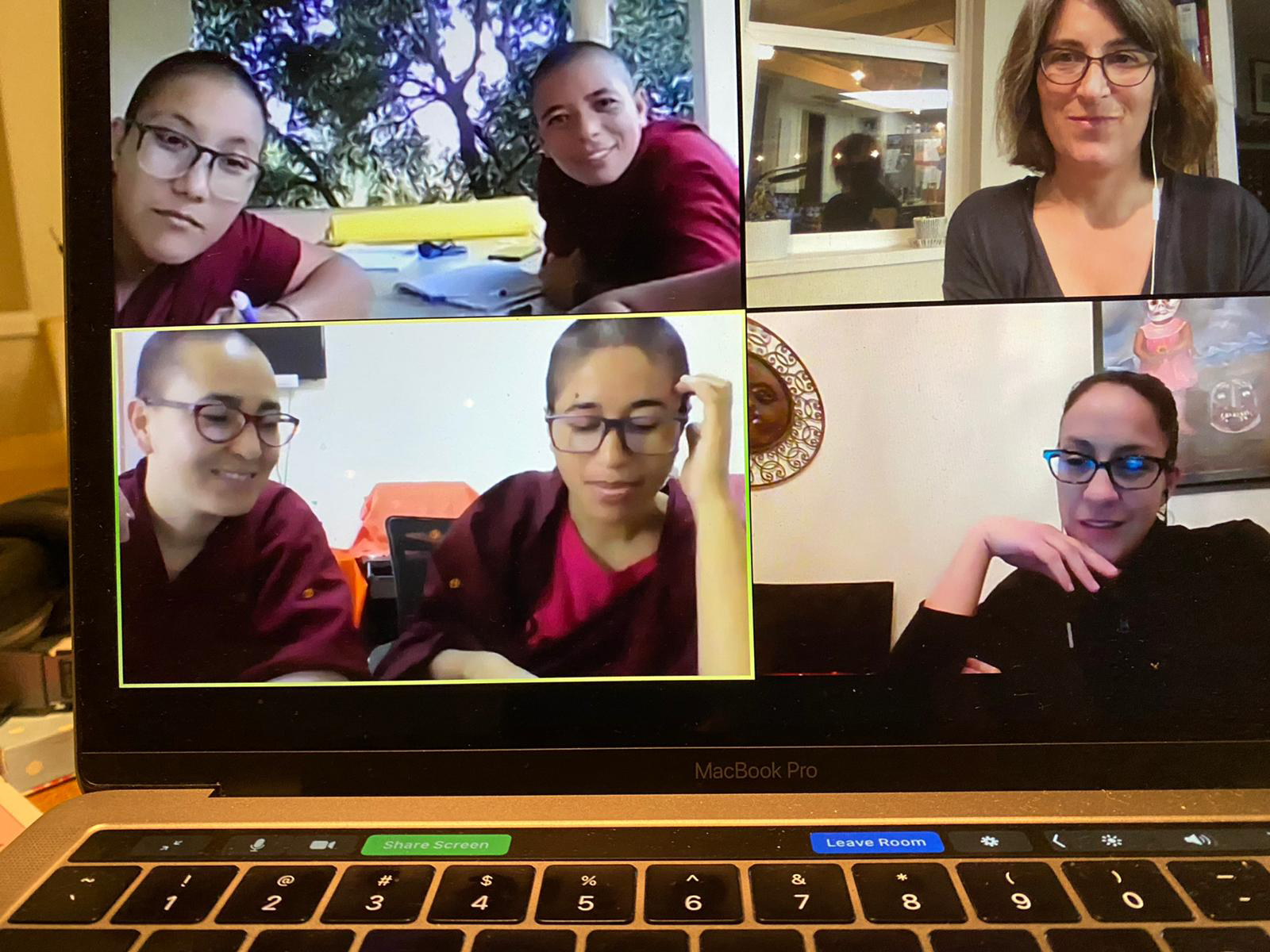
The global lockdown forced us to switch our programs online. Many of our science leaders had never taken lessons online before the pandemic, but they have adapted remarkably to this change.

Read more on Science Leadership for Nuns
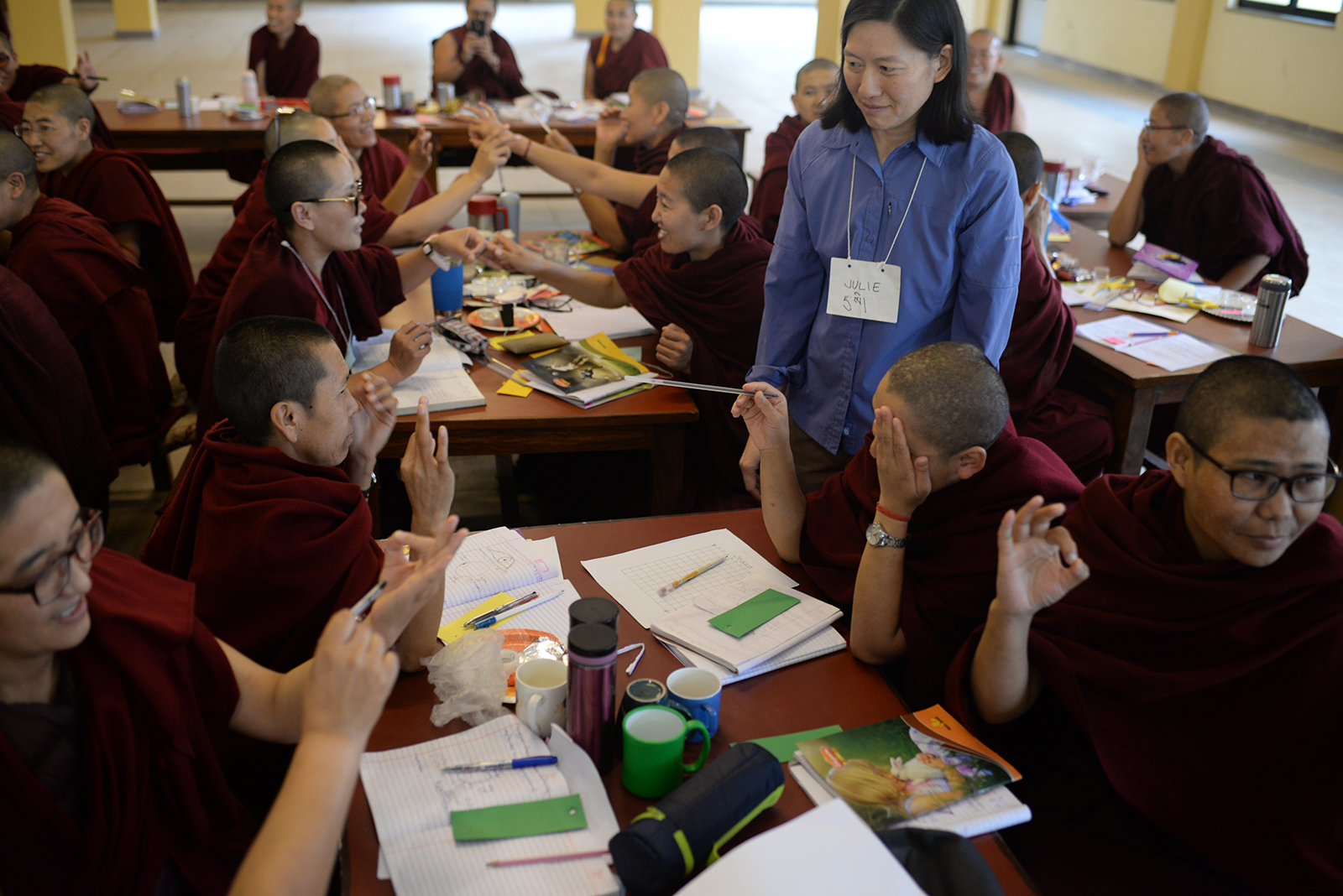
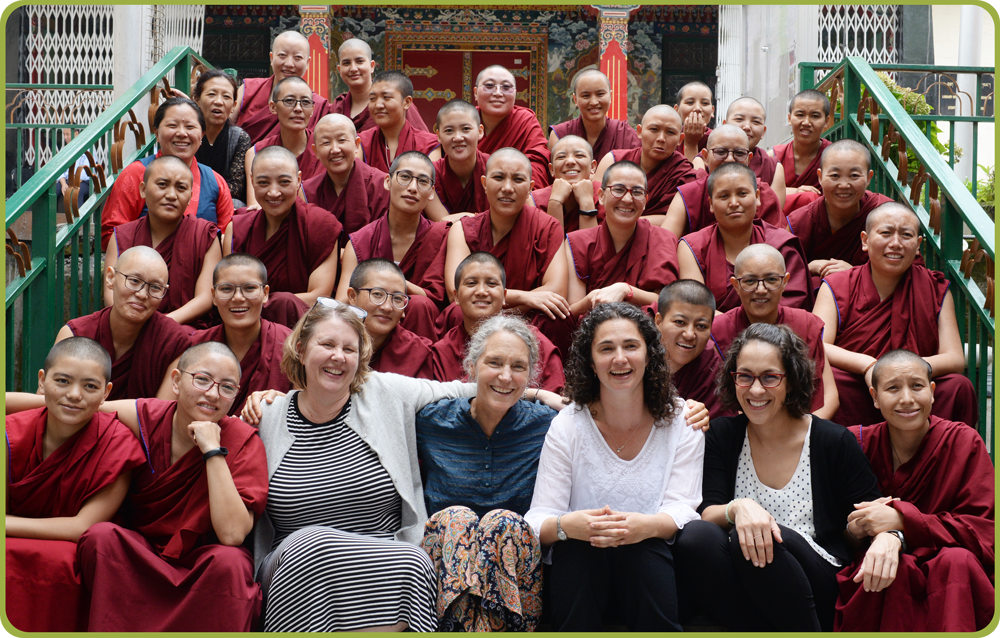
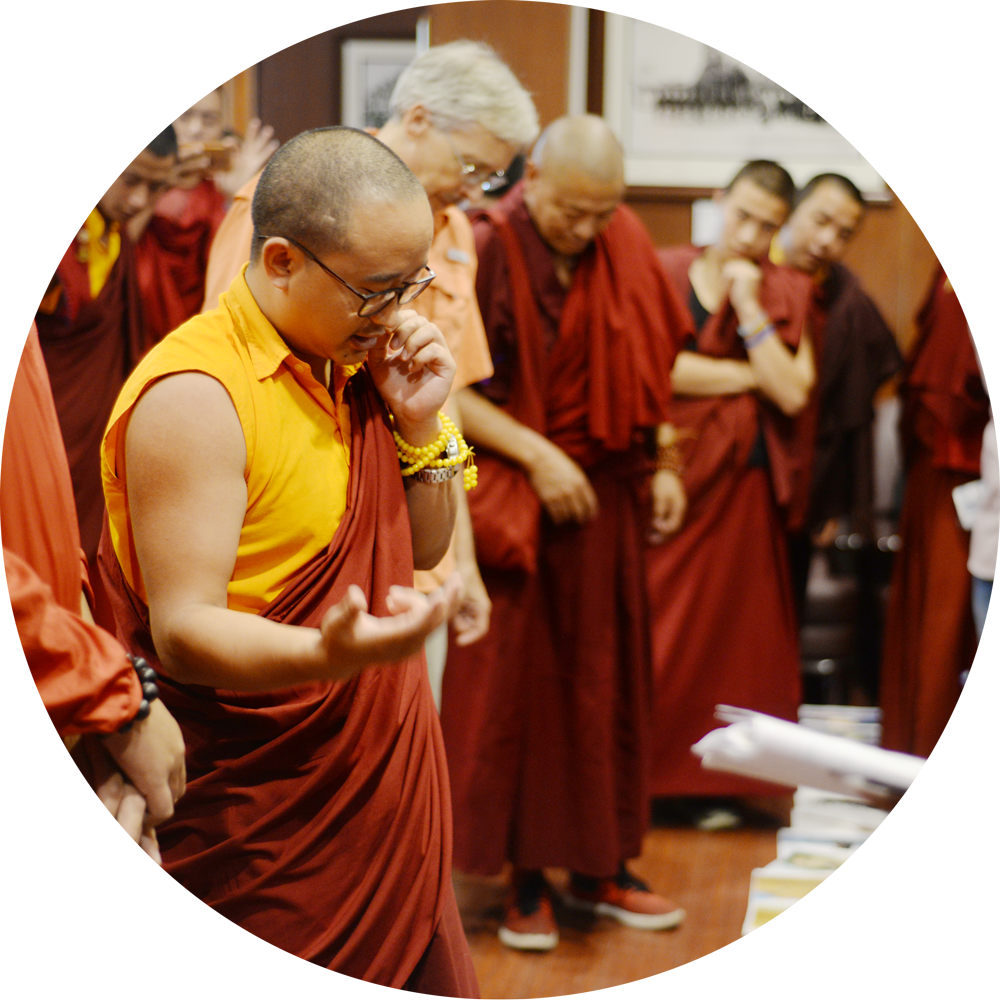
Thirty three nuns from five different nunneries receiving 3-years of support and training.


Read the full article on Scientific American
by Christopher Impey - May 28, 2019
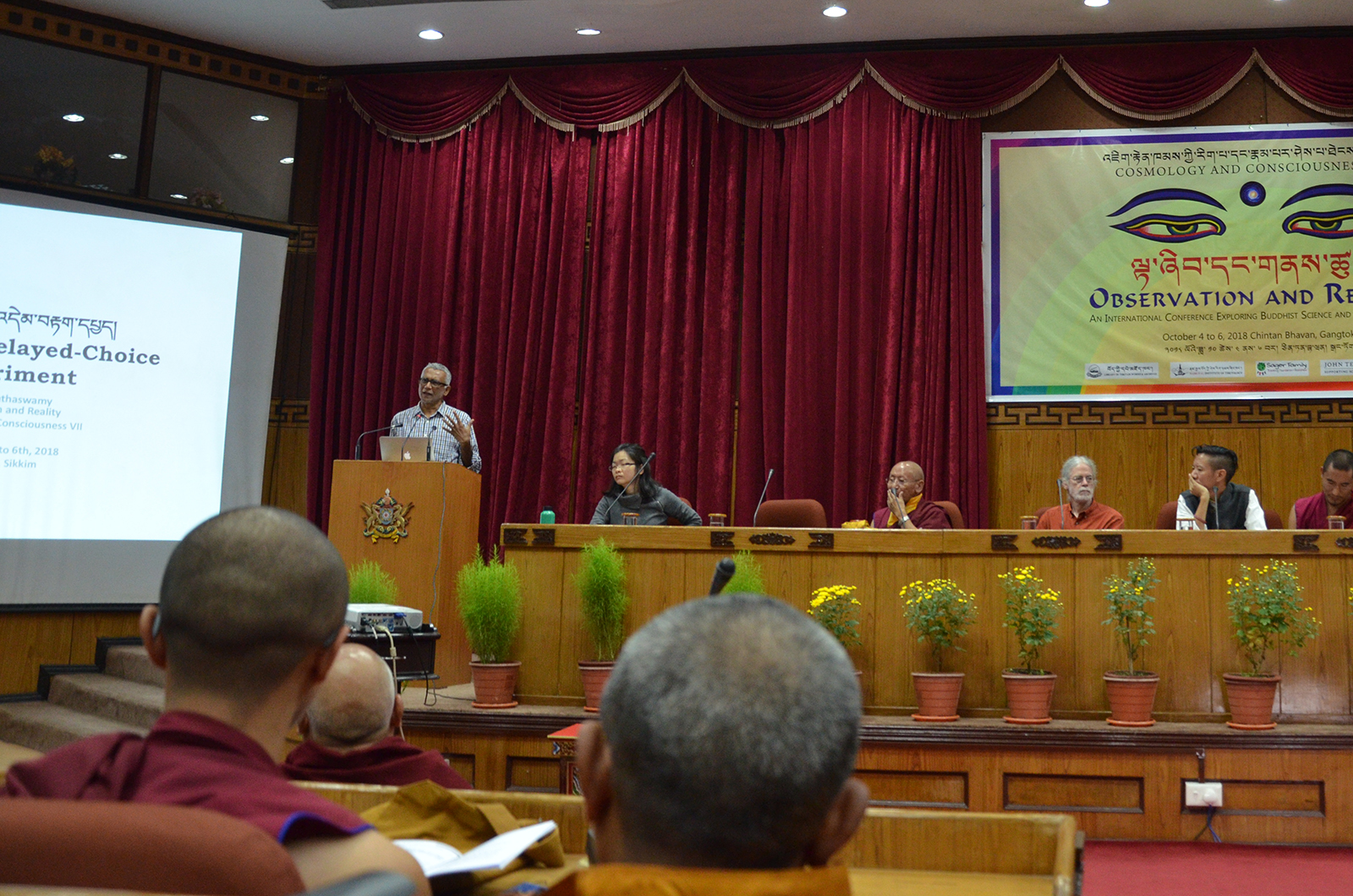
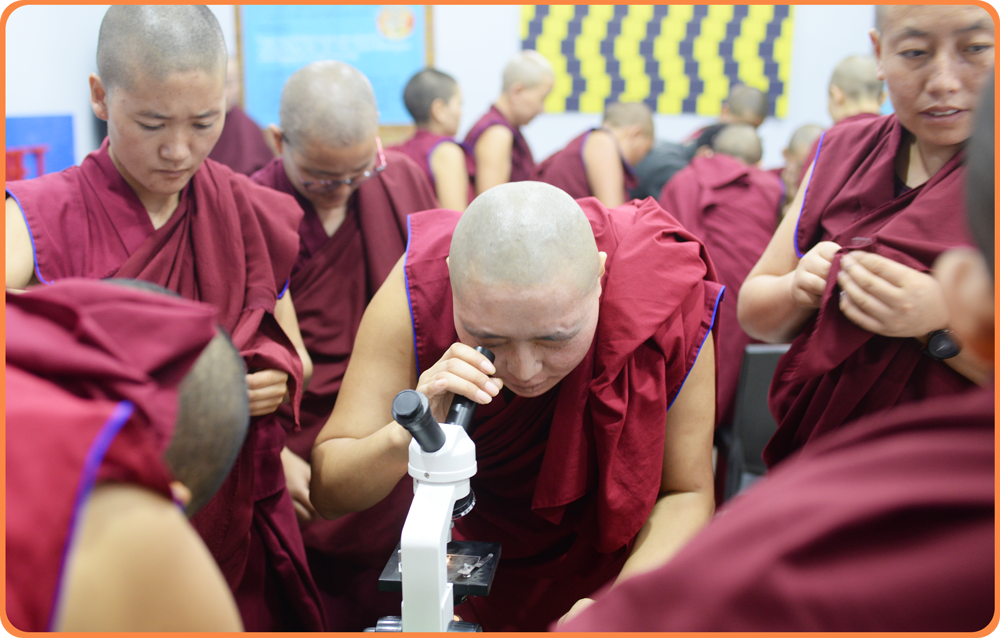
Astronomical and cosmological questions get an airing in India’s Sikkim province in a program started 20 years ago by the Dalai Lama.
ARTICLE:

Read the full article on Outlook Magazine
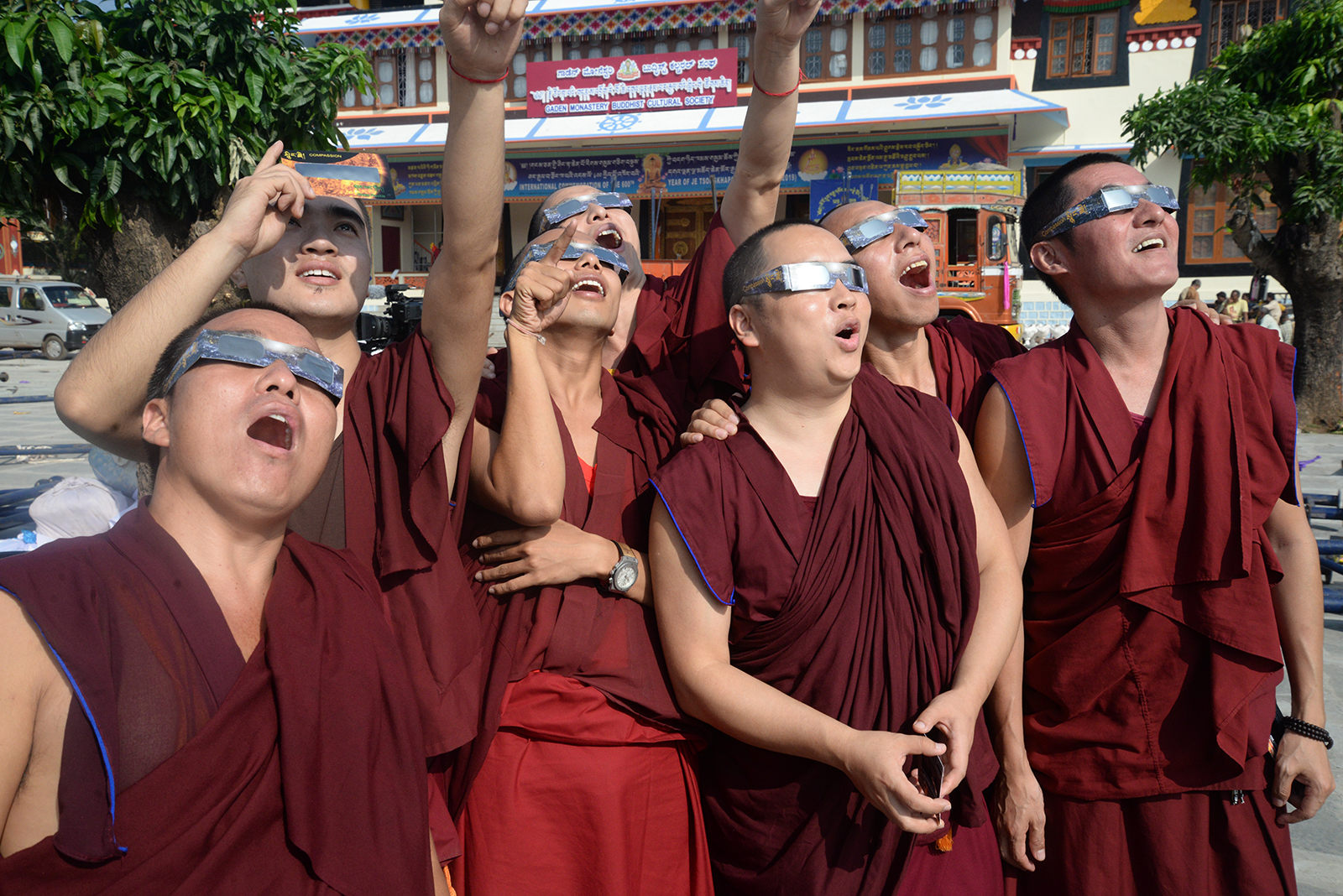
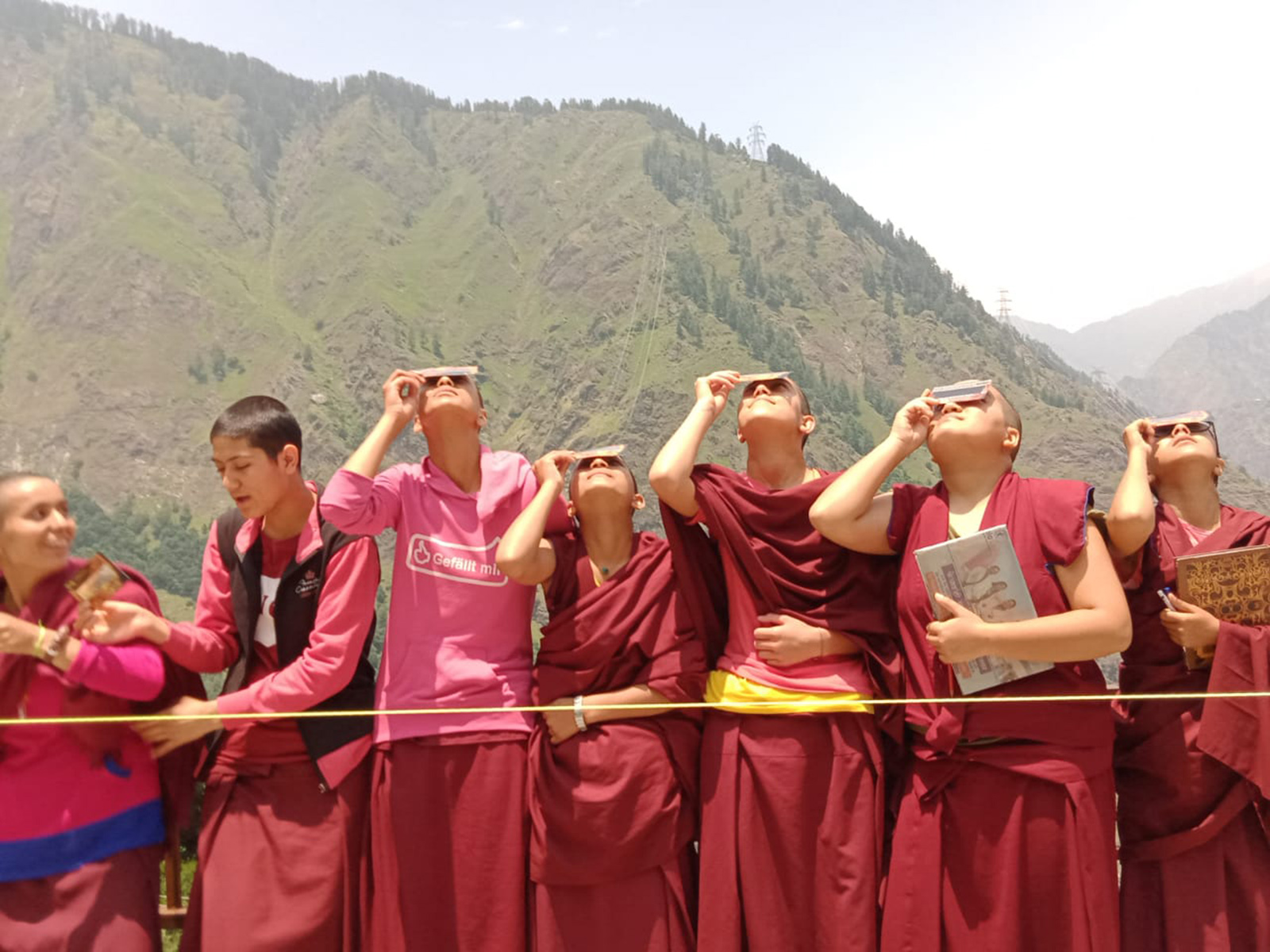
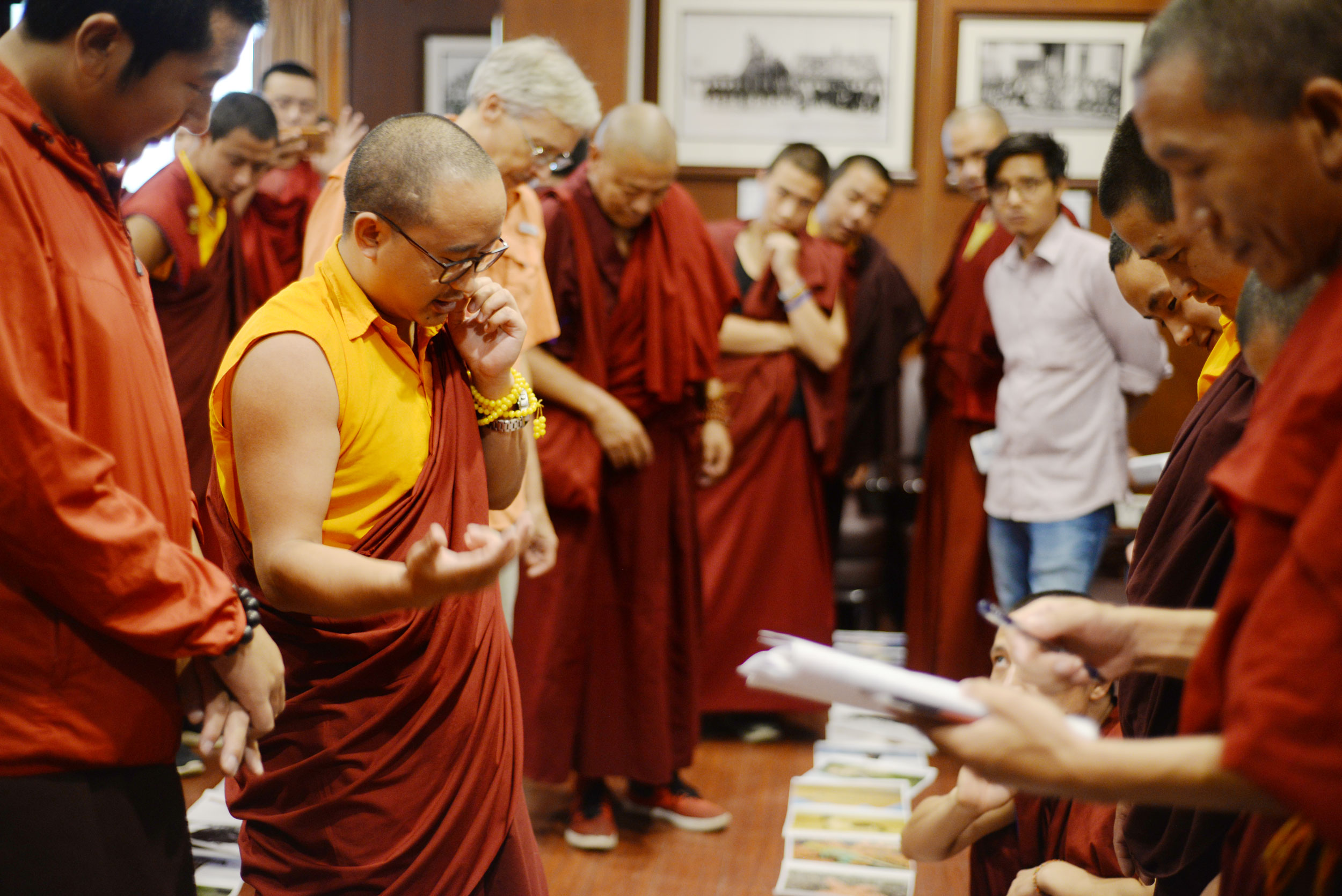
Remembering the solar eclipse as its lunar twin sweeps over India, a Buddhist nunnery is teaching itself to think of science while looking at a cosmic event.
by Priyadarshi Sen - January 10, 2019
ARTICLE:

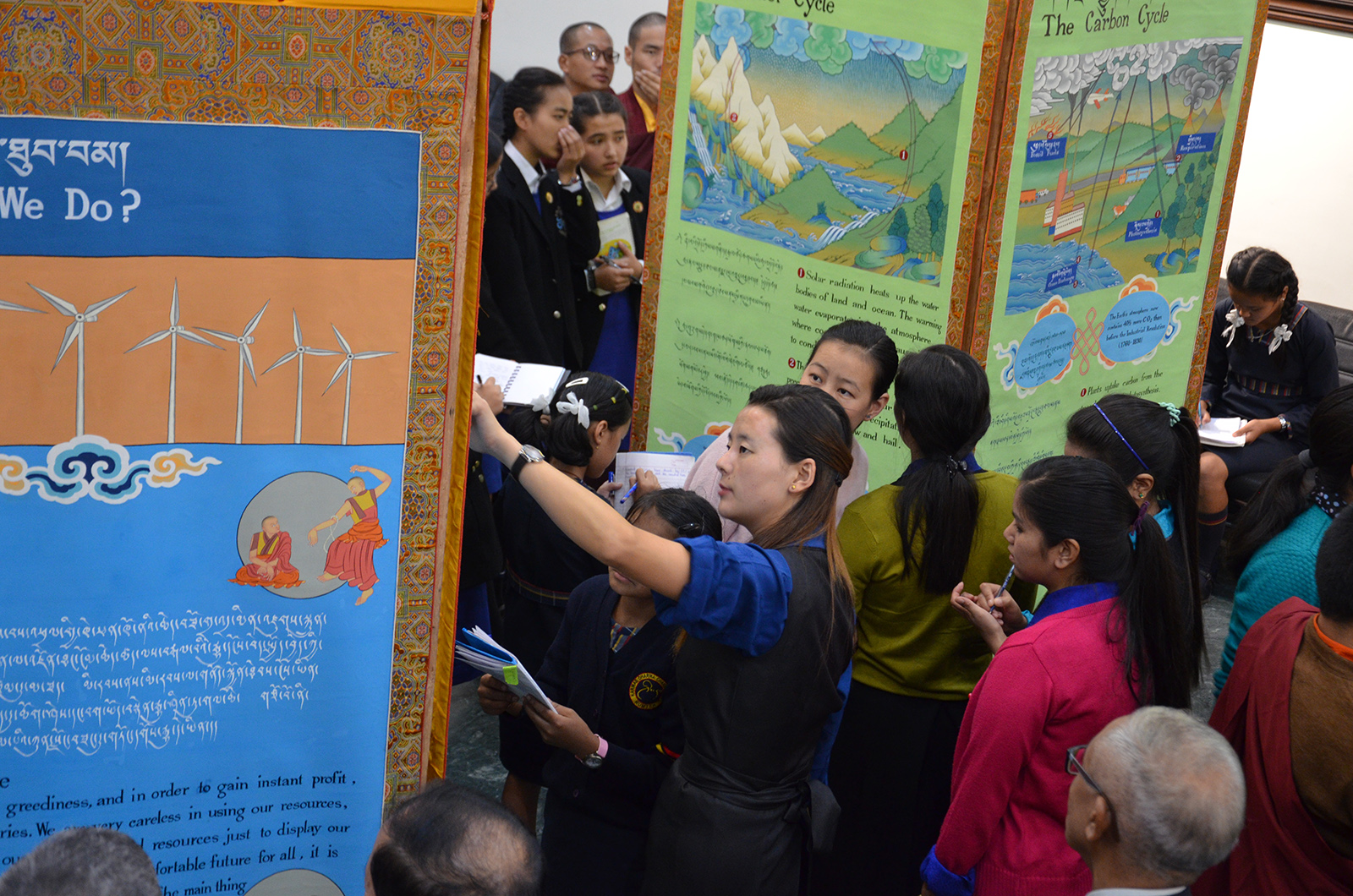
My Earth, My Responsibility
World of Your Senses
The Secrets of Particles: In production, coming in 2020

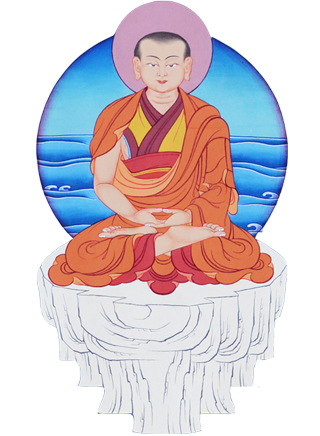

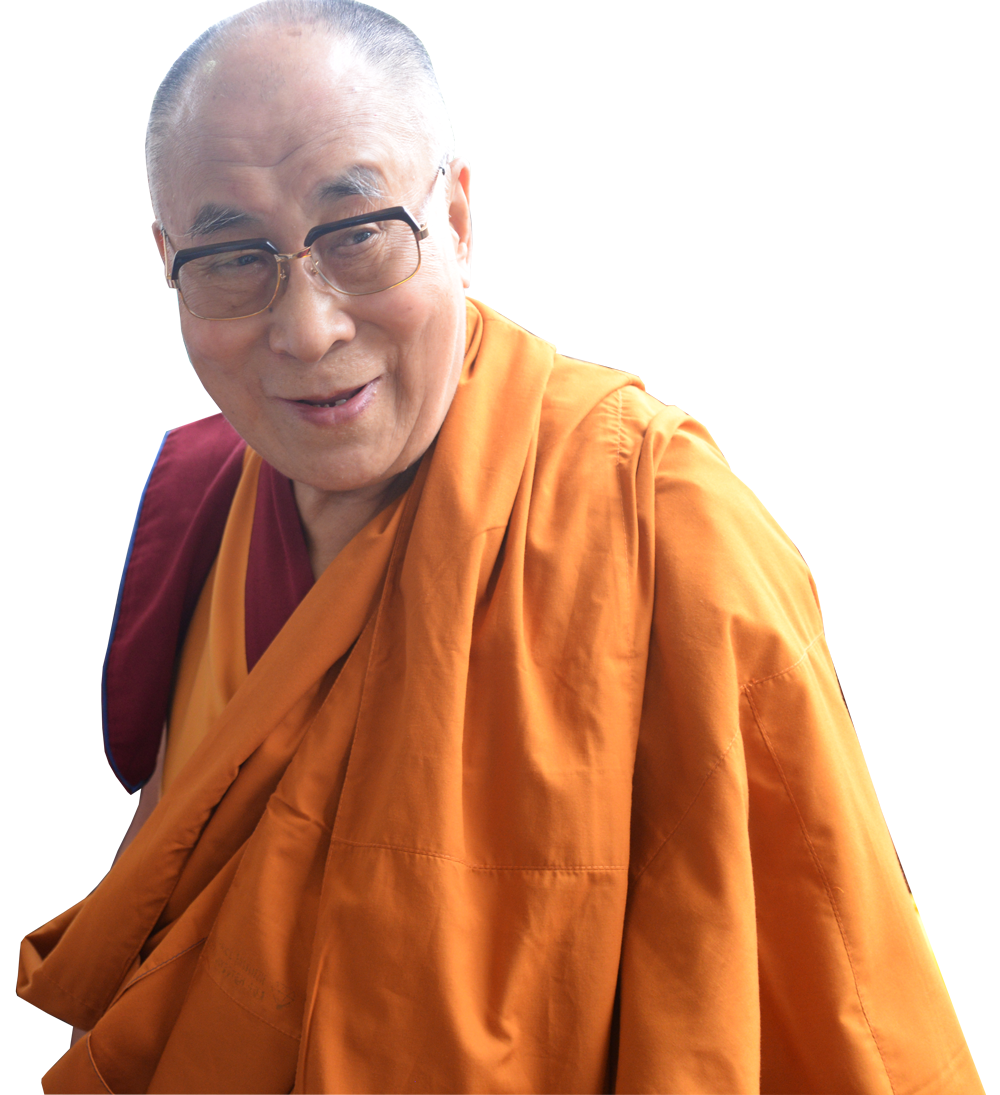
More quotes
"I usually tell people we should be 21st century Buddhist. Not just faith and devotion, but, investigate, 'what is Buddhist teaching?' ... Buddhist should be 21st century Buddhists and should have more knowledge and scientific views."
“The great benefit of science is that it can contribute tremendously to the alleviation of suffering at the physical level, but it is only through the cultivation of the qualities of the human heart and the transformation of our attitudes that we can begin to address and overcome our mental suffering.”

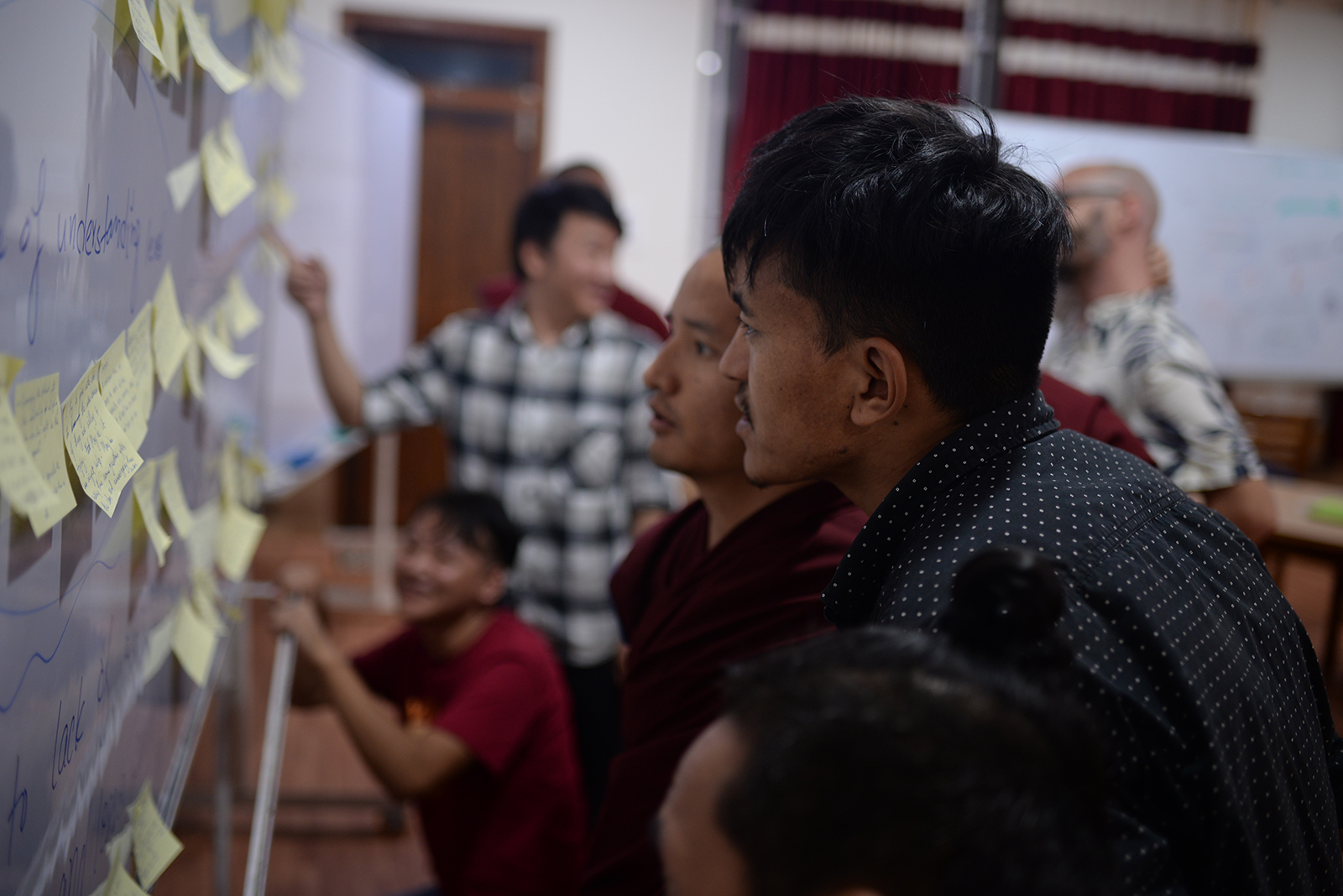
Leadership institutes have been organized around batches of cohorts that attend several institutes and take on projects such as making exhibitions, publishing a journal, (more..)
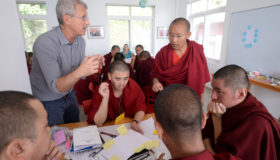
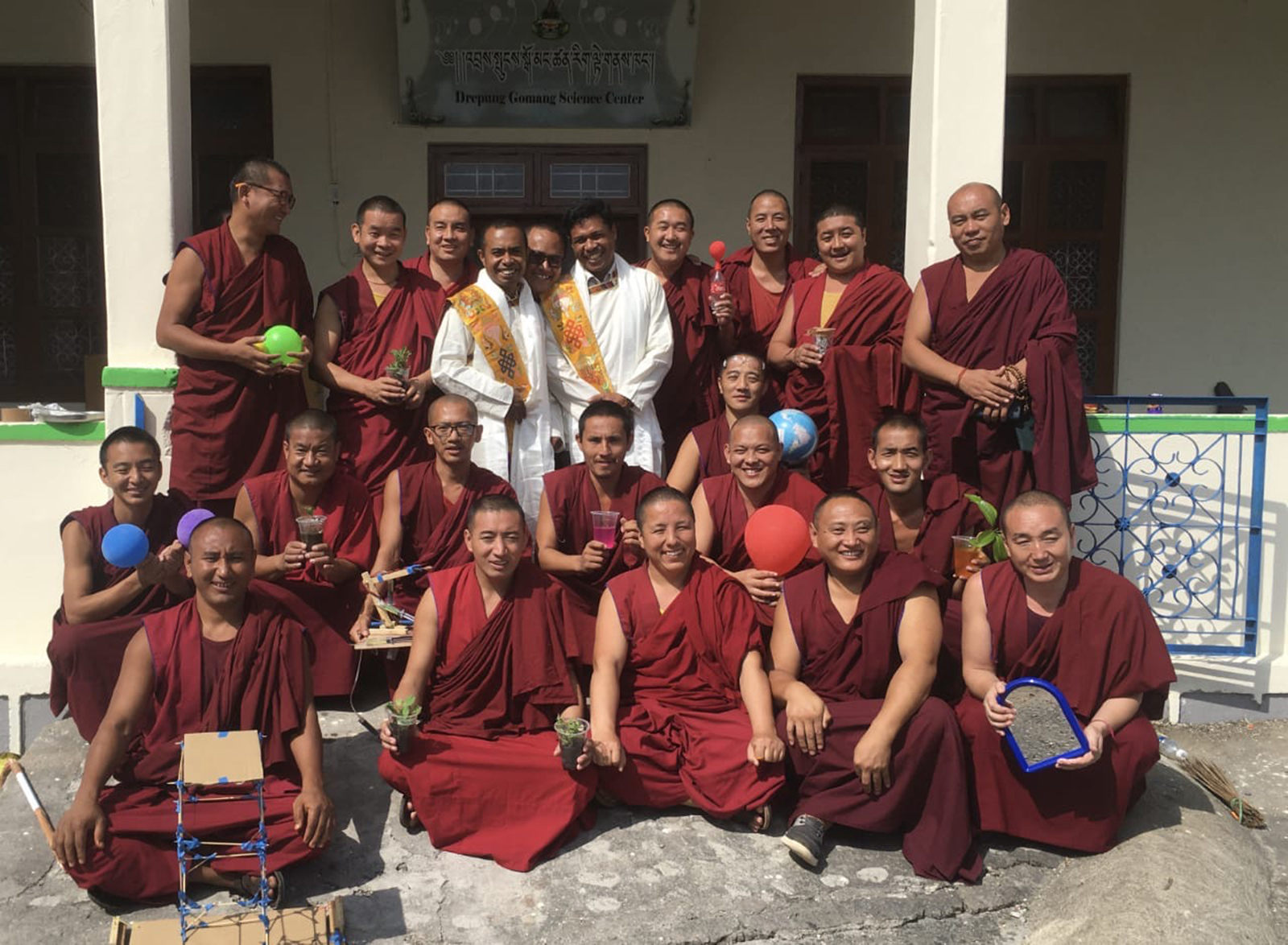
Community spaces dedicated for exploring scientific knowledge, and engaging in inquiry and discourse with scientists. (more..)
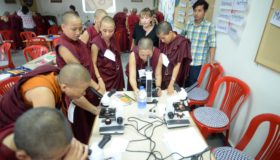
Enough nuns in India have now been involved with science to establish an all-nuns leadership program. (more..)

15-16 OCT
2026
Two day International Conference on AI and Consciousness
We have extended invitations to various institutions for the upcoming International Conference on AI and Consciousness, where Buddhist and science scholars will make their presentation.
21 SEP - 17 OCT
2026
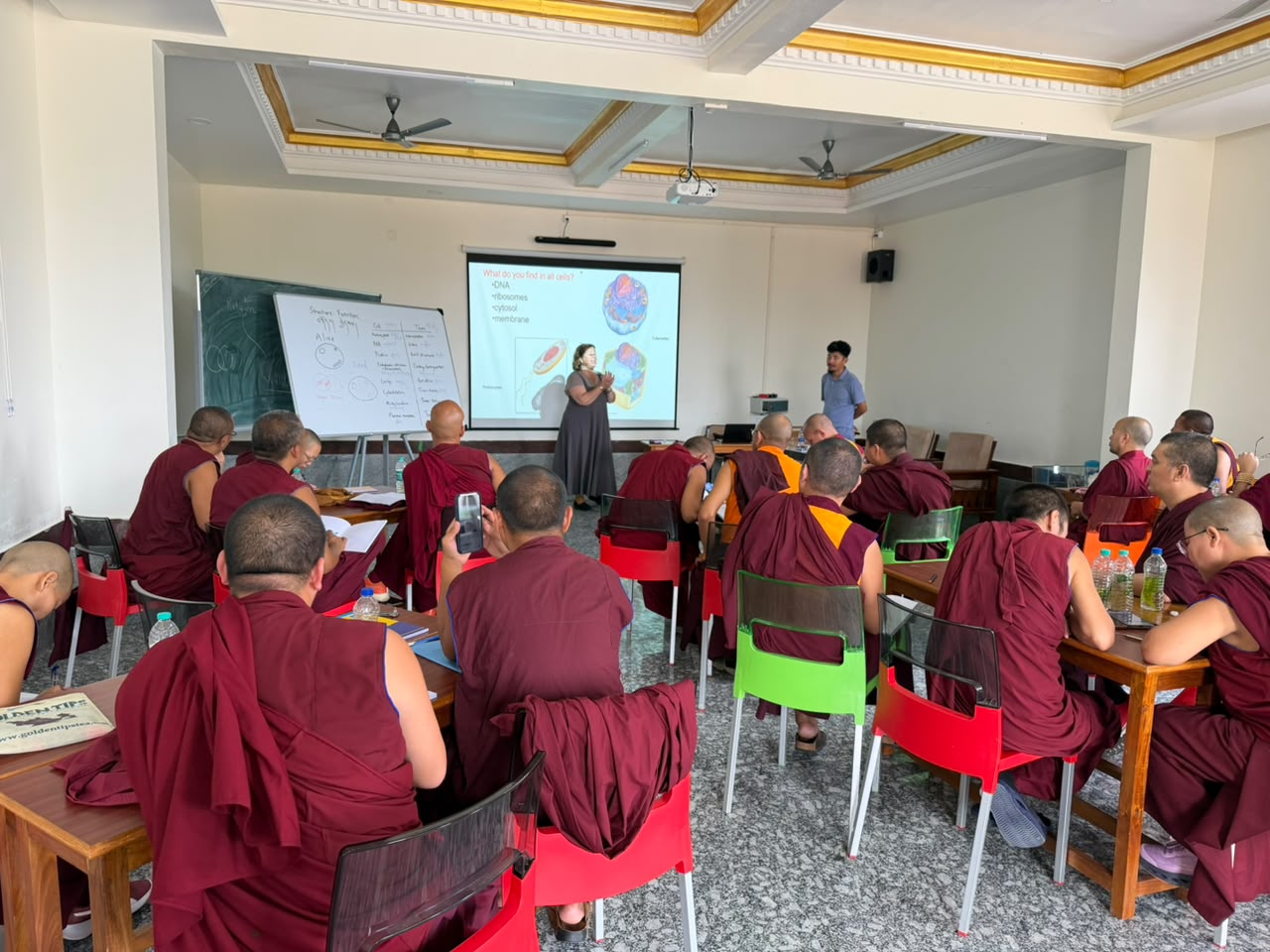
Monastic Graduate Program 2026
A glimpse from our ongoing Monastic Graduate Program from September 21 - October 17, 2026 at Gaden Jangtse Monastery.
Learn more
SEP 3-12
2026
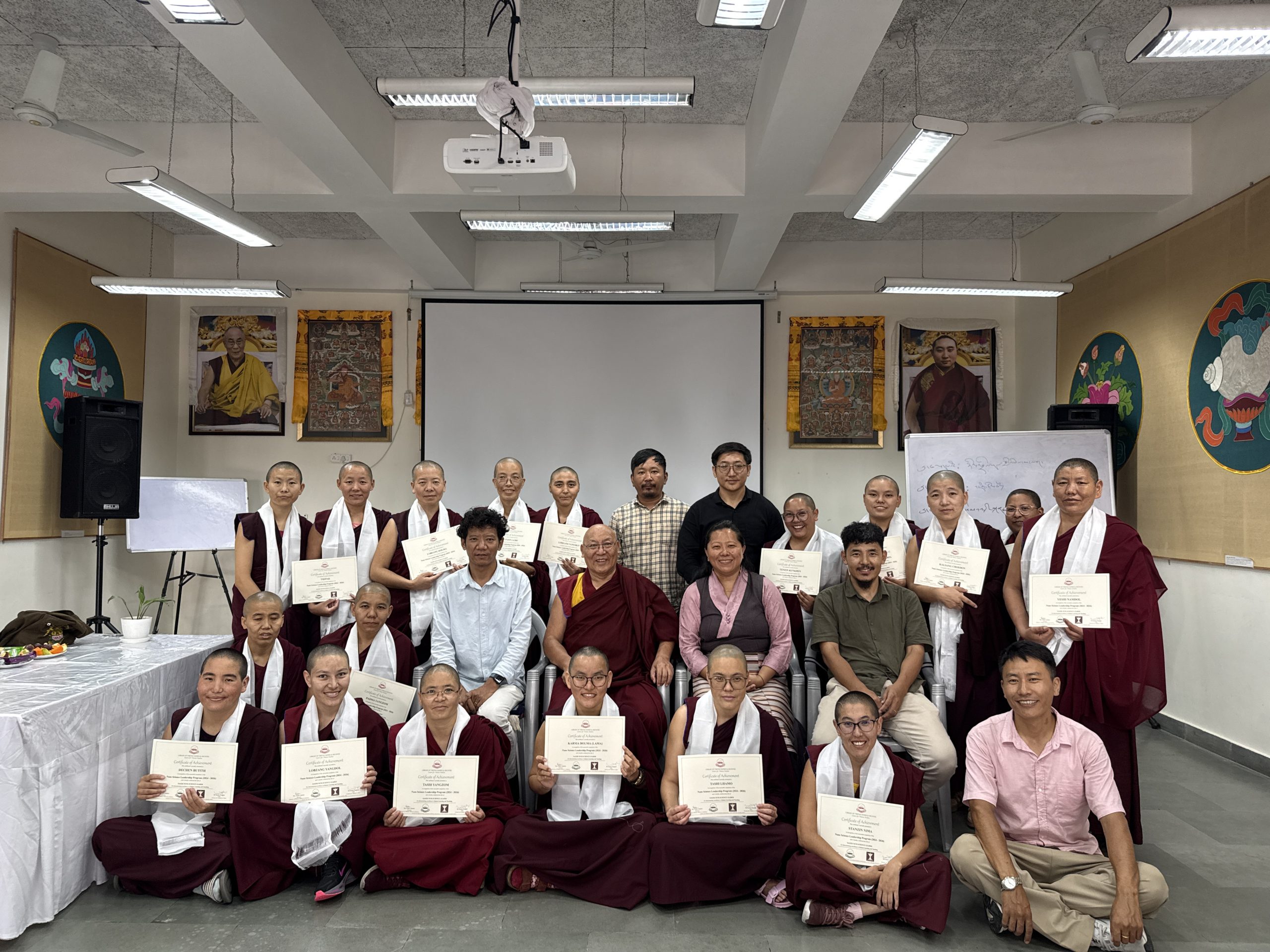
Closing ceremony of Sager Nuns Leadership Meet
The closing ceremony of the “Sager Science Nuns Leadership Meet” at Dolmaling Nunnery was successfully held with presentations on various science and Buddhist related exhibition topics, followed by a simple closing ceremony.
Learn more
SEP 3-12
2026
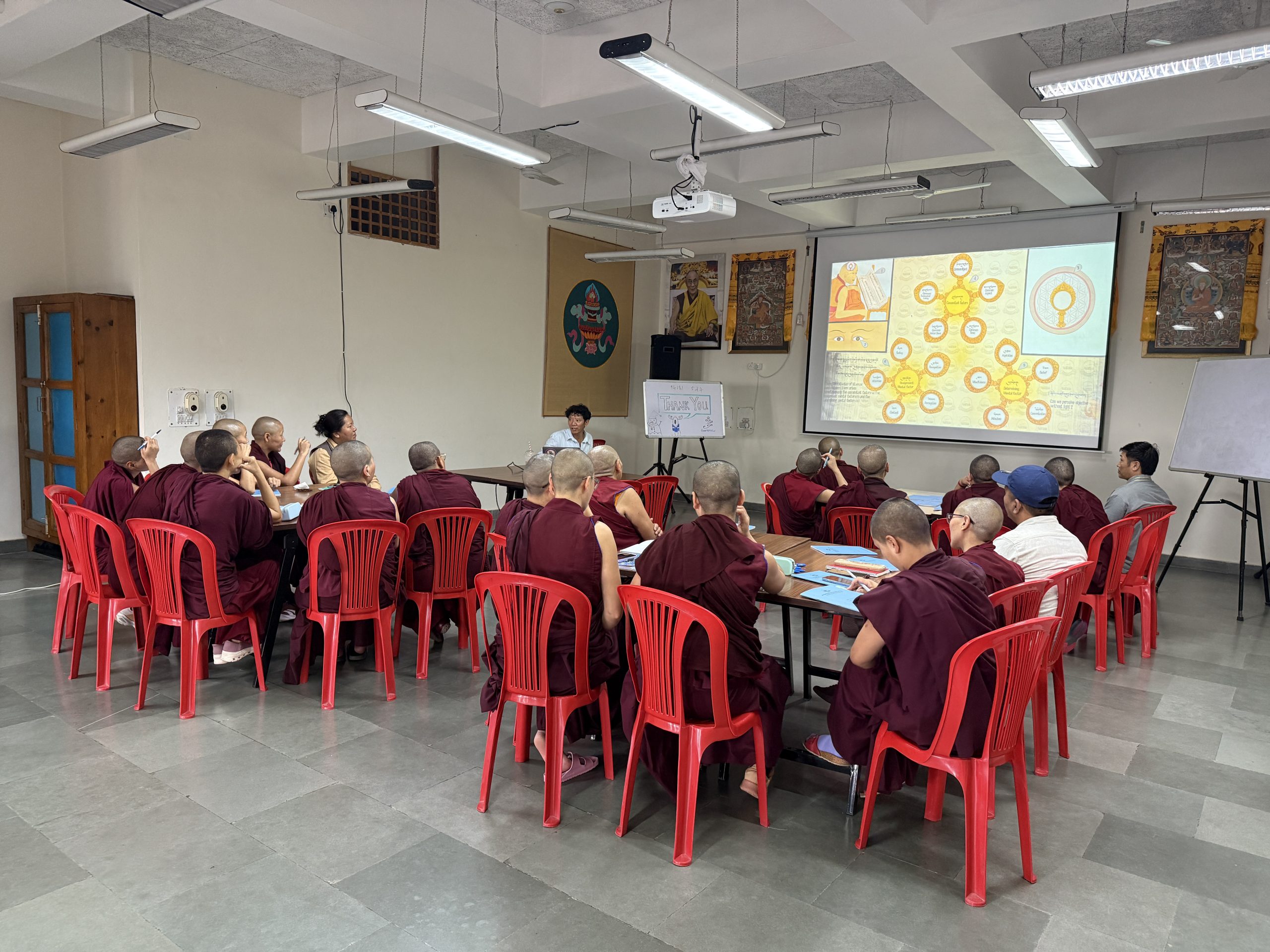
Sager Science Nuns Leadership Meet 2026
A glimpse from our ongoing Sager Science Nuns Leadership Meet at Dolmaling Nunnery, where our science leaders are discussing and laying the groundwork for their upcoming science and Buddhism related exhibition topics.
Learn more

12 JULY
2026
Another day of interpreter training for the “Buddhism and Science” Exhibition
Diluv Hutugthu Foundation in collaboration with Science for Monks and Nuns, and Library of Tibetan Works and Archives, is organizing the interpreter training of exhibition “Buddhism and Science” again today.
Learn more

10 JULY
2026
Buddhism and Science Exhibition at Zuun Huree Dashchoilon Hiid
The exhibition consisting of 3 parts: “World of your senses”, “Secrets of Particles” “My Earth, my responsibility” has been presented to the visitors.
Learn more

10 JULY
2026
Buddhism and Science Exhibition at Khuree Tsam–2026 Danshig Naadam
On the initiative of Telo Tulku Rinpoche Hutugthu Foundation / Diluv Hutugthu Foundation in collaboration with Library of Tibetan Works and Archives, and Science for Monks and Nuns, presents a fragment of the exhibition “Buddhism and Science” during Khuree Tsam -2026 Danshig Naadam.
Learn more
9-10 JUN
2026
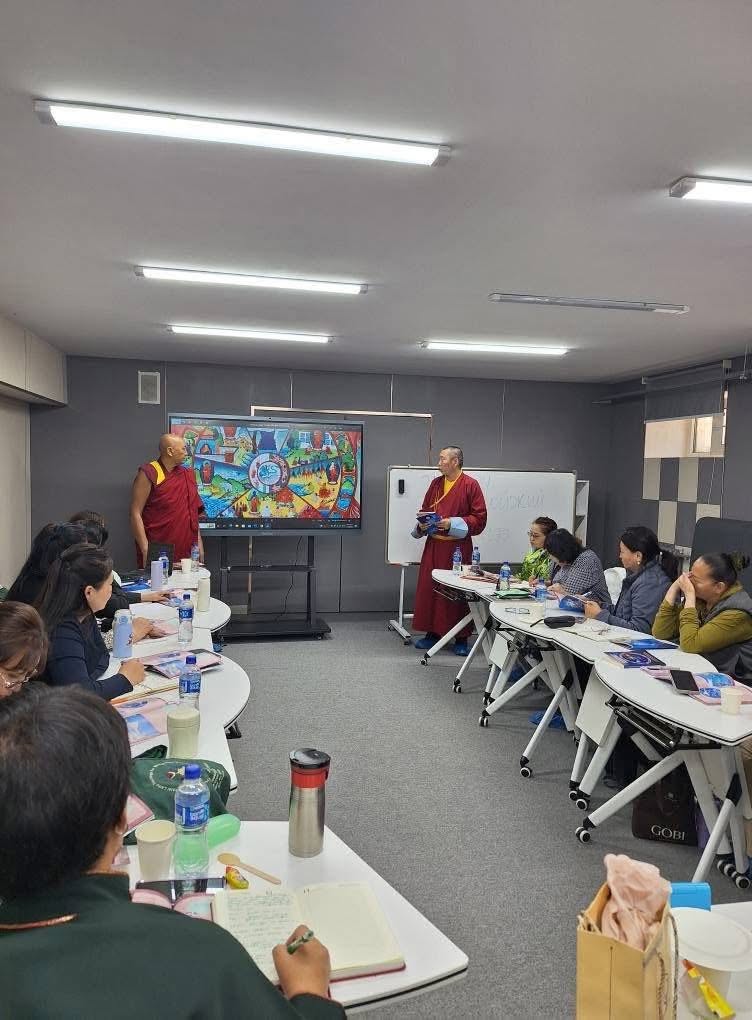
Curator training in Mongolia
Library of Tibetan Works & Archives in collaboration with the Science for Monks and Nuns, Diluv Hutugthu Foundation, and Bakula Rinpoche's Betuv Danjay Choykhorlin Monastery organized Exhibition Curator training for two days.
Learn more

JUN 15
2021
Hartford Courant
A solid grasp of science might help the monks improve their lives and the lives of all Tibetan refugees – Earl L. Carlyon
Earl L. Carlyon passed away peacefully on Thursday, May 27, 2021, surrounded by his loving family. He was 86 years old. Earl grew up in Alexandria, LA., one of seven siblings, the son of Walter and Irma Carlyon.
Read the full article The Wire
JUNE 16
2020
The Conversation
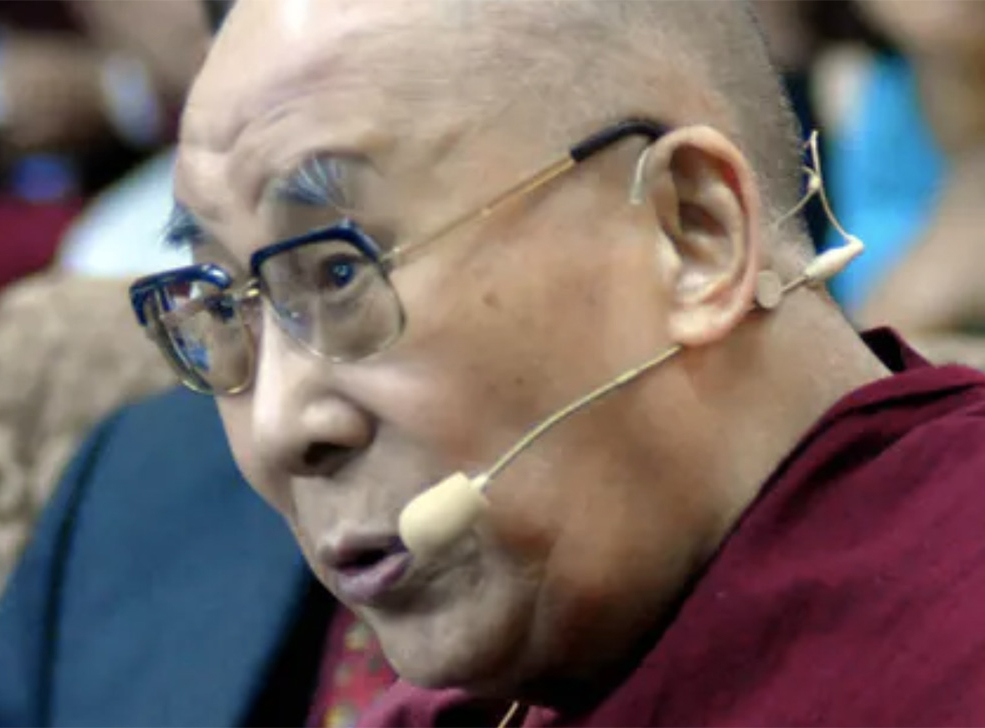
What Buddhism and science can teach each other – and us – about the universe
These are trying times. A global recession sparked by the coronavirus pandemic, and widespread civil unrest, have created a combustible mix of angst – stressors that heighten the risk for long-term health woes.
MARCH 10
2020
The Neuroethics Blog
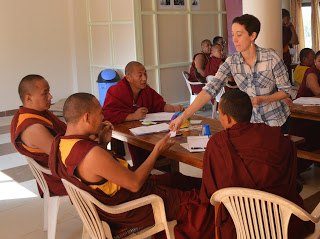
Neuroethics with Tibetan Buddhist Monastics
As I write this, I am sitting in my room at Jangchub Choeling, a Tibetan Buddhist nunnery in Mundgod, India.
Read the full article on The Neuroethics Blog
FEB 21
2020
Mindfulness
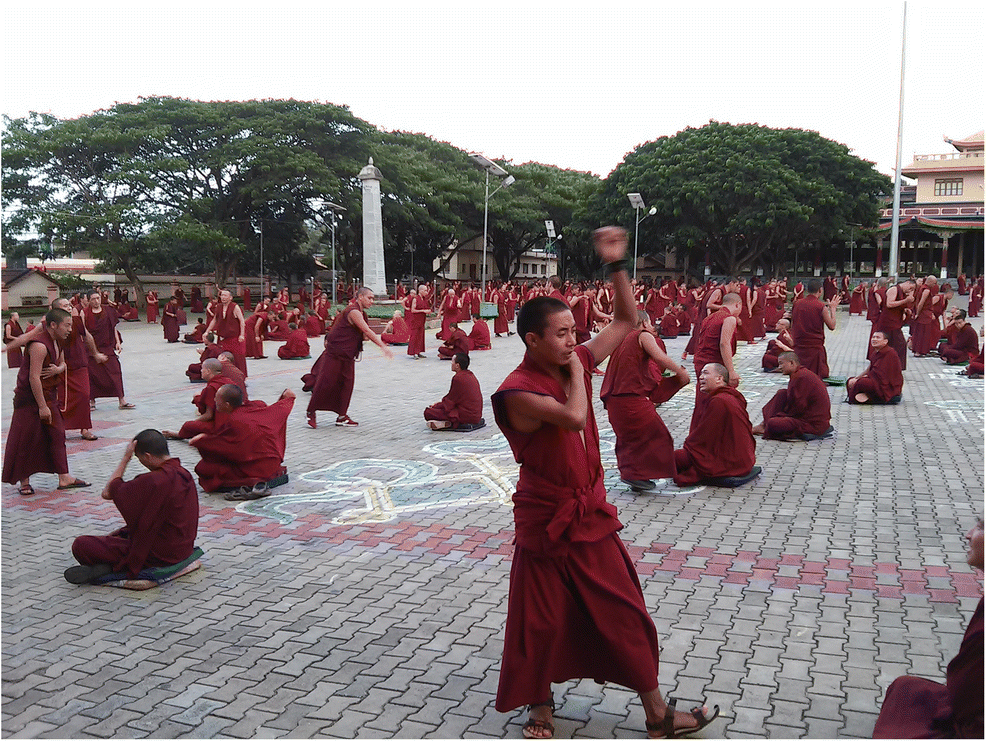
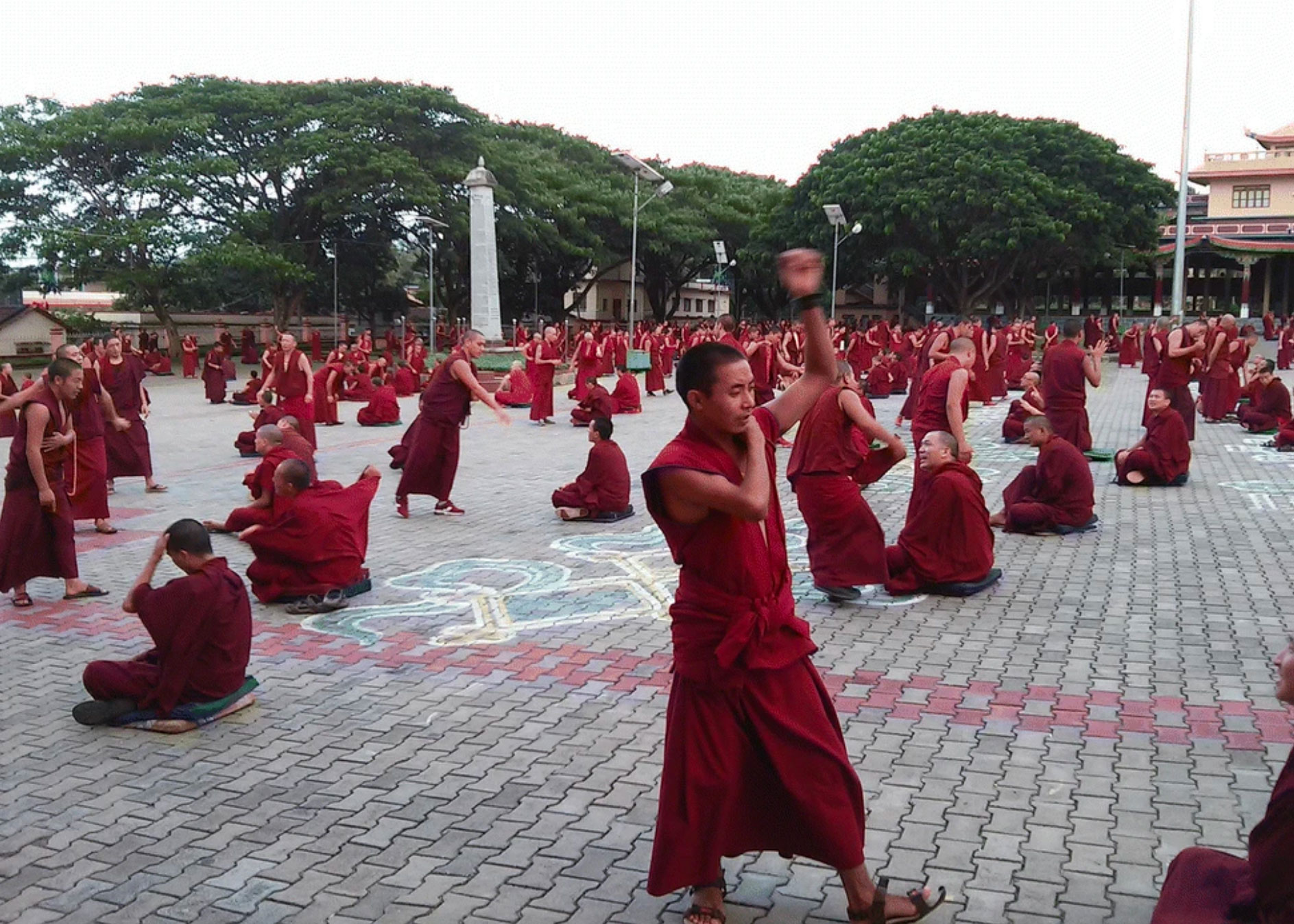
Inter-brain Synchronization in the Practice of Tibetan Monastic Debate
Although mindfulness meditation is the familiar and researched form of mental training derived from Buddhism, it represents but one form of practice.
Read the full article Mindfulness
JAN 10
2019
Outlook Magazine (online)
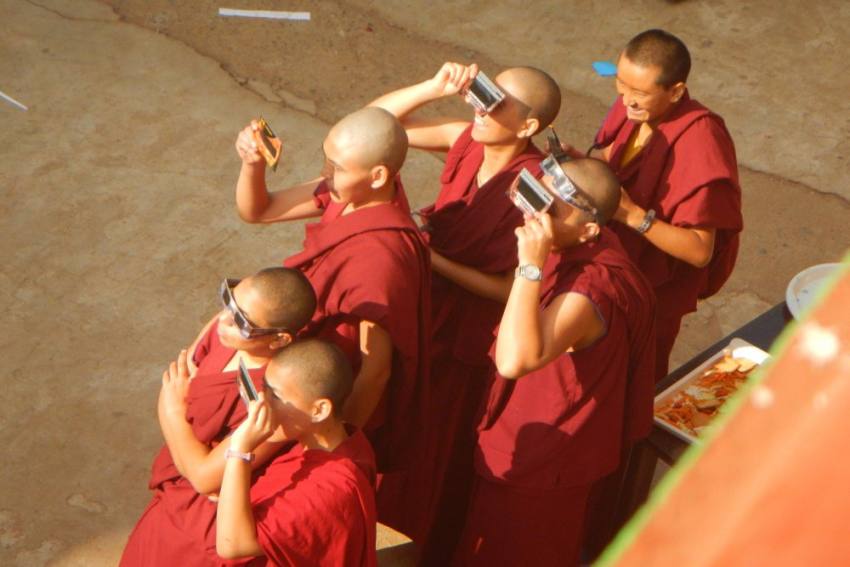
‘Interplay Between Science And Dharma': Buddhist Nuns Encounter Solar Eclipse In New Way
Remembering the solar eclipse as its lunar twin sweeps over India, a Buddhist nunnery is teaching itself to think of science while looking at a cosmic event.
Read the full article Outlook Magazine
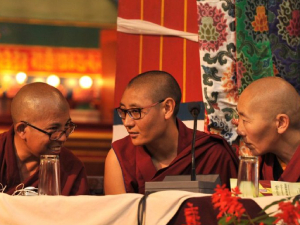
MAY 28
2019
Scientific American
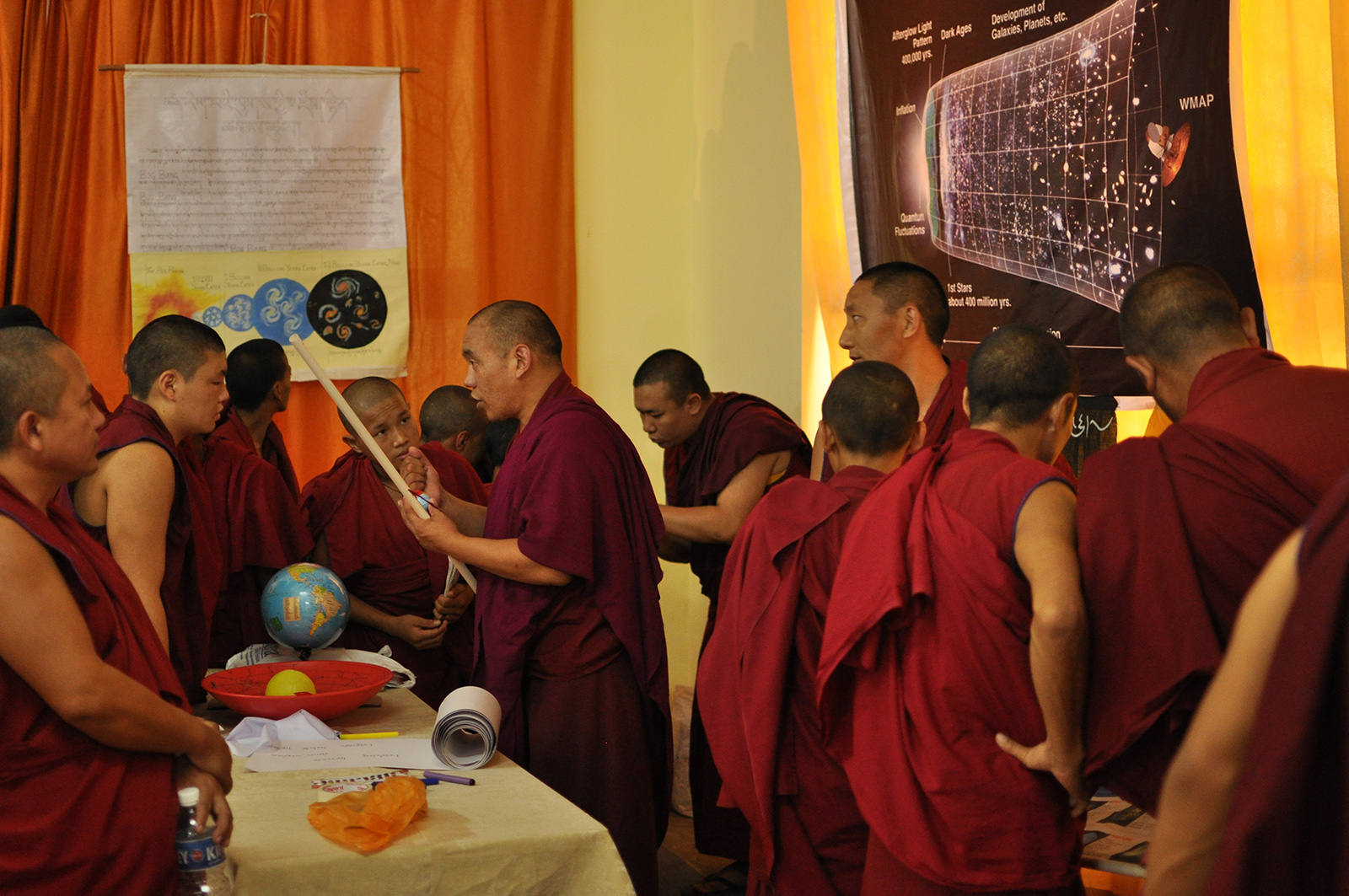
Tibetan Monks Meet Science near the Roof of the World Astronomical and cosmological questions get an airing.
Astronomical and cosmological questions get an airing in India’s Sikkim province in a program started 20 years ago by the Dalai Lama.
Read the full article Scientific American